
The article gives a brief indication on how computers were accepted in our life, and how gamers started to form up during the 80’s era.
The article explores the introduction and acceptance of home computers in Malta, with a focus on the rise of the gaming community during the 1980s. It also includes a supplement detailing the companies and products that served the local business market.
The Computer “reins”
In the early 1970s, computer awareness was very limited in Malta. Only a handful of companies used this new technology, and home computers were a rarity, owned primarily by radio amateurs and a few dedicated enthusiasts. These pioneers often had to travel abroad, mainly to the UK, or rely on expensive mail-order services to get their hands on a machine.
Magazines were key to spreading the word, but they weren’t easily accessible. Local newsagents didn’t carry them, so enthusiasts had to set up regular subscriptions. This all changed when Miller Distributors began importing these specialist computer magazines. Their availability on the island helped spark a surge in interest, contributing significantly to the start of the local computer boom.
The Computer Shop Boom: Malta’s Digital Awakening
n the early 1980s, the concept of a “computer shop” was a rarity in Malta, with just a handful of stores concentrated in a few key areas. At the time, computers were widely perceived as an expensive toy or a niche tool for hobbyists. However, this perception underwent a dramatic shift over the next decade, a change directly reflected in the surge of new shops and services by the mid-1990s.
Our research into this era includes a series of interviews with former shop owners who were at the forefront of this change. Today, most of those original shops have either closed or merged with larger IT service providers. We spoke with Martin Bonnici, owner of the former shop Home and Office, who shed light on the challenges and opportunities of the time. Unfortunatley he is not with us anymore and its a great saddnes for us as he was a true gentlemen.
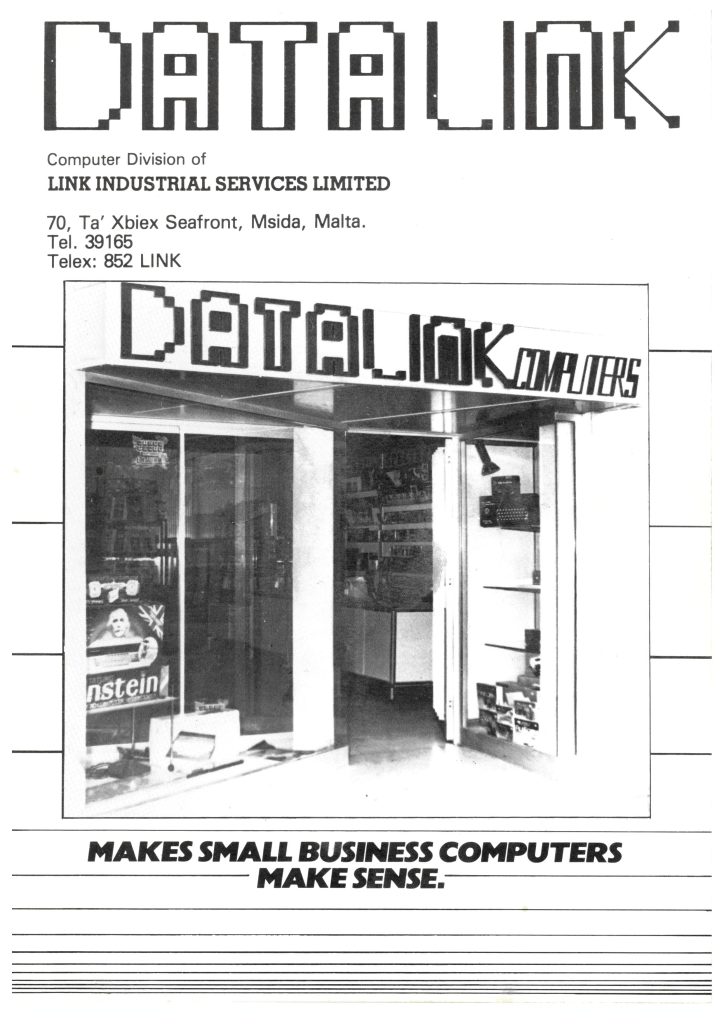
One of the few Computer shops in Malta beginning of the 80’s
As Martin explained, the limited competition in the early days meant that revenue was excellent. However, this was balanced by a significant amount of administrative work, including a mountain of paperwork and licenses required to operate. By the mid-1980s, Home and Office was the sixth computer shop to open its doors on the island, primarily selling home and small business computers.
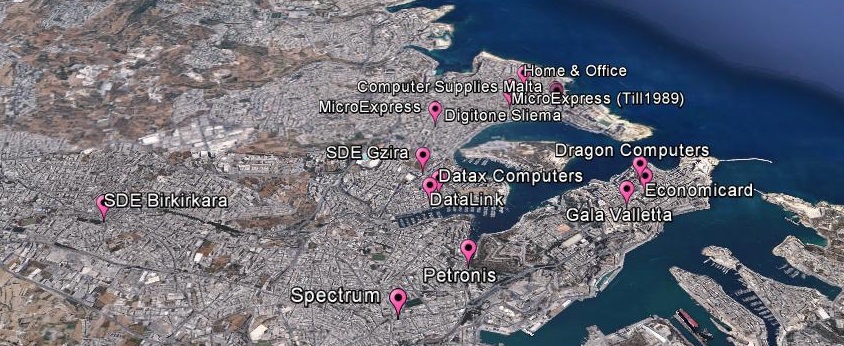
The map shows clearly how these early shops were clustered together. For example, DataLink (later Link) and Datax in Ta’ Xbiex were located on the same street, while others like Spectrum in Ħamrun, Gala with outlets in Valletta and Sliema, and Petroni in Pieta all set up shop in close proximity.
What’s notable about this period is that these early shops were not restricted to selling a single brand. Instead, they offered a diverse range of products from all the major agents, giving consumers a wide selection.
The mid-eighties saw a new wave of shops emerge, including Digitone (with outlets in Valletta and Sliema), SDE (in Gzira and Birkirkara), and Computer Supplies. This influx of new businesses introduced crucial competition, leading to a significant drop in prices for home computers.
While the business sector remained expensive—with IBM-compatible and other office equipment retaining a high price tag—the home computing market became much more accessible. This competitive environment was a boon for both consumers and suppliers. Agents who had previously struggled with a limited number of outlets now had more shops to supply, leading to a dramatic increase in computer sales. This, in turn, drove a new level of public awareness and interest, setting the stage for the next phase of Malta’s digital revolution.
The Piracy Paradox: Fueling the Boom, Creating a Problem
Despite the growing number of computer shops, sales didn’t truly take off until the late 1980s. This surge was largely driven by a vibrant subculture of gamers and shop clans who gathered in shops and arcade halls to exchange games. A smaller but equally dedicated community of radio amateurs also contributed, using home computers for their needs and even building their own custom add-ons.
However, a less-than-legal practice was also a major factor in the industry’s growth: software piracy. With virtually no copyright regulations in Malta at the time, piracy was not just common—it was the norm. Computer shops openly offered software clones and pirated titles imported from countries like China, Singapore, and Russia. This was also an easy way to acquire new games at the minimal cost of a blank cassette tape. While this practice helped increase revenue for shops and expand personal software libraries, it was done without a real awareness of the damage it caused to software developers and legitimate importers.
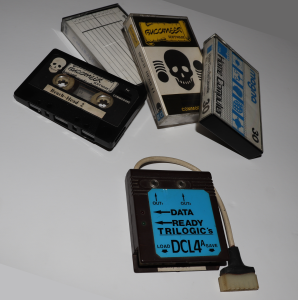
Many Shops offered copied games. Some of them were branded, others used the inlay of the cassette to list the games. The Bucaneer Software had its own inlay and tape sleeve. Also the device in the photo was used to copy tapes for the C64 and other formats.
YIn this unregulated environment, the line between original and copied material was completely blurred. Piracy was not limited to just games; it extended to the business industry, with everything from cassette tapes and videotapes to photocopied books, CDs, and DVDs being duplicated. The problem in Malta was particularly pervasive, as it was often impossible to distinguish a counterfeit from an original.
The local scene even had its own “crackers,” who created custom demos and intros for pirated software, a trend that became especially prominent during the Amiga boom of the late 80s.
The rampant piracy eventually became a global concern, and by the mid-1990s, Malta, like many other countries, began to take a stand. New copyright laws and regulations were introduced to specifically target the problem. While piracy was never fully eradicated, these new laws had a drastic impact, significantly reducing the amount of illegal copying and setting the stage for a more legitimate IT industry.
Malta’s Early Computer Distributors
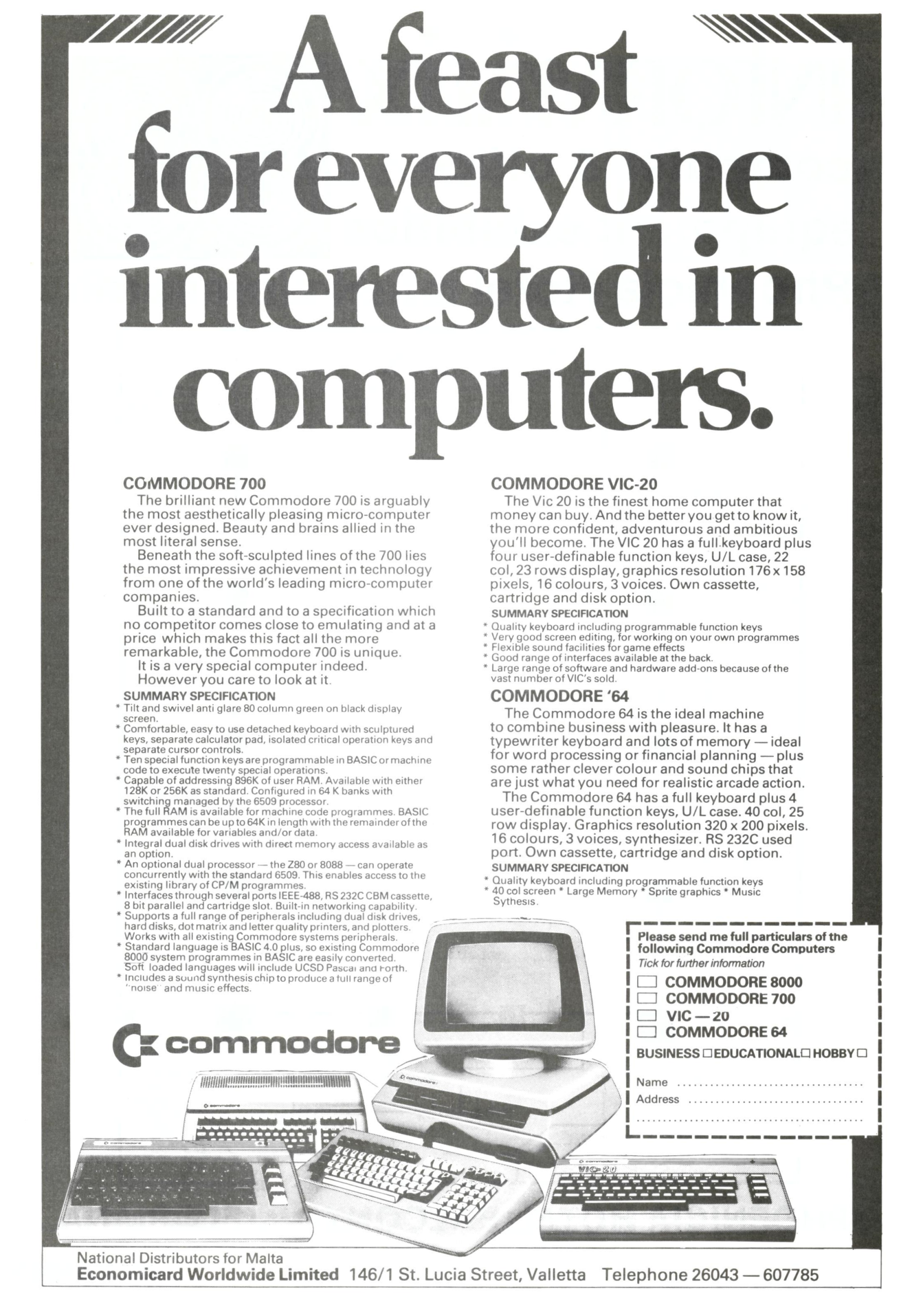
The Commodore brand in Malta was represented by Economicard.
As the home computer market grew in Malta, a clear distribution model emerged, with most computer shops either becoming direct suppliers or specializing in retail. However, some companies adopted a different strategy, acting as dedicated distributors for specific brands rather than selling directly to the public.
For example, Economicard was the official distributor for Commodore, and Sirap for the BBC Micro. Neither sold products directly to end-users. Instead, they supplied their stock exclusively through local computer shops, creating a wholesale-focused business model.
Others took a more balanced approach. Datalink, the official distributor for Amstrad, also sold other brands like Commodore and Spectrum, operating as both a wholesaler and a retailer. Similarly, Gala supplied Sinclair products, and Petroni provided Atari computers, though both companies were also heavily invested in the HI-FI and white goods markets. Their sales strategy relied on supplying computer shops while also selling products through their own outlets.
A supplier for Dragon computers, Office Computers Ltd., tried a similar wholesale-only model, but the intense competition on the island meant they did not last long.
The First Wave of Home Computers
By 1983, the Maltese market had a limited but growing number of home computers. The most common systems available to the general public were the ZX Spectrum, the Commodore VIC-20, and the Atari line. For those looking for a more professional-grade system for home use, the Apple ][ was available through suppliers like BDS and later VJ Salamone (now SG Solutions).
This initial selection was later expanded with the introduction of Amstrad computers, as well as more niche systems such as the Dragon, Oric, and Memotech MTX Series. This increasing variety gave consumers more options and fueled the rapid expansion of the local computing scene.
The First Exhibitions & Fairs
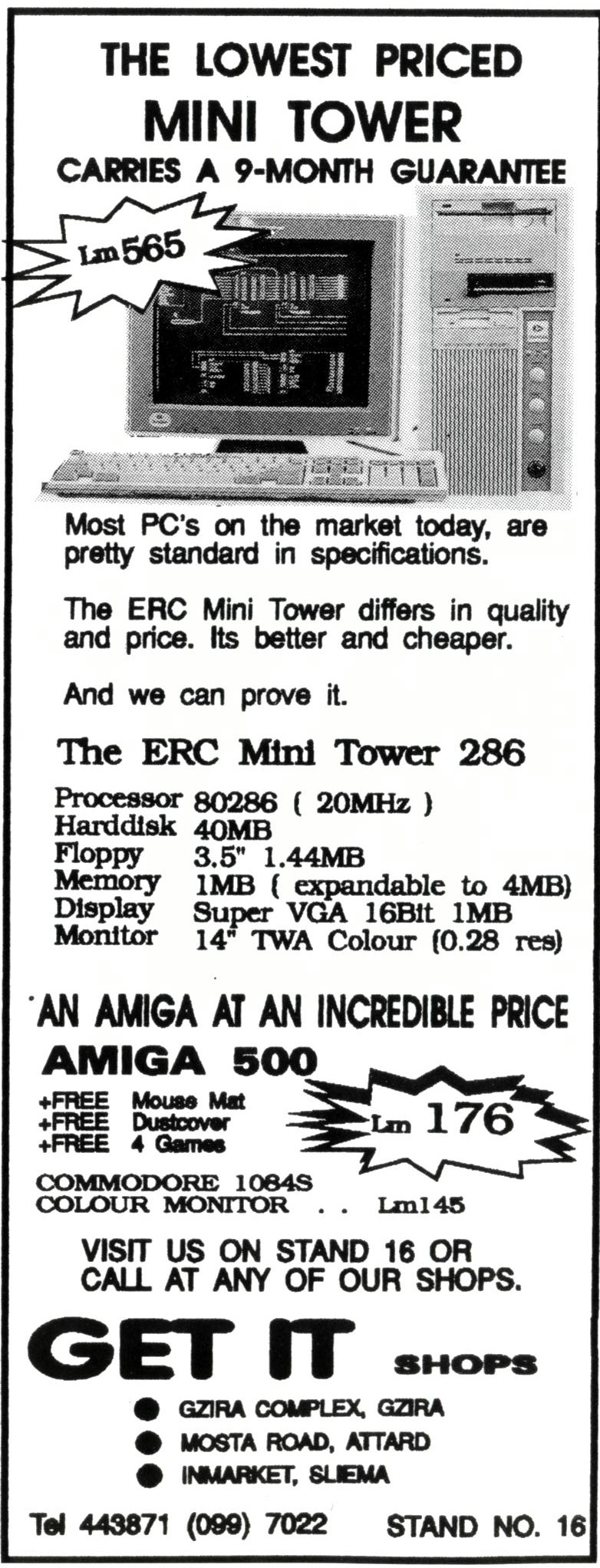
GET IT Shop offering An IBM Compatible Computer for LM565 in 1991
From Business to Home Computing
n the early days of computing in Malta, exhibitions like Informix were the primary showcases for new technology. However, they were heavily oriented toward the business market. While casual users attended out of sheer curiosity, the high price of personal computers—often equivalent to an entire year’s salary—made them an impractical purchase for most.
At this time, Malta lacked the digital infrastructure found elsewhere. Internet access was nonexistent, and even services like BBS and Prestel were not available due to a lack of demand. Consequently, those who did buy a computer either had a very specific use for it or, more commonly, wanted it for gaming. While many would claim the computer was for “study purposes,” we all know that playing games was the main attraction.
The Home & Personal Computer Show
Everything began to change in the early 1990s. With improving family wealth and a drastic drop in computer prices, the market quickly became saturated with a wide variety of brands. The newfound interest was also fueled by the rise of computer courses across the island.
Recognizing this shift, a more tailored event was needed. In 1990, the first “The Home & Personal Computer Show” was organized. This exhibition was a turning point, as it was specifically targeted at the general public rather than businesses. Attendees could explore a vast array of video games, consoles, handhelds, home computers, and PCs all in one place.
The Naxxar Fairs: A Community Hub
The success of these early shows led to more and larger exhibitions, with the most popular being held at The Malta Trade Fair in Naxxar. Due to the increasing number of exhibitors and shops wanting to participate, the exhibition space had to be expanded significantly to accommodate the demand. These events became vital community hubs for gamers, generating substantial revenue for local shops and solidifying Malta’s growing gaming culture.
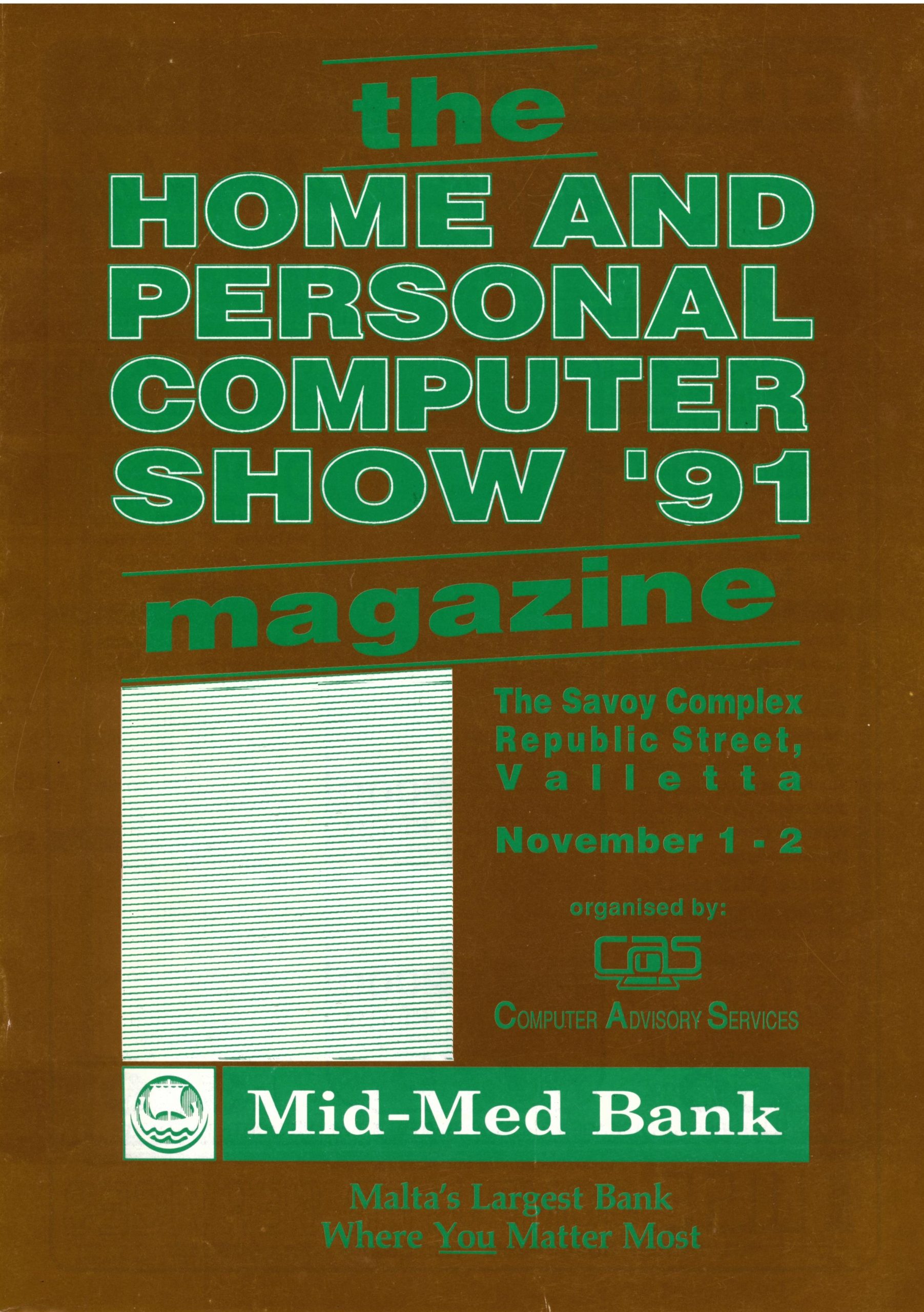
The Home & Personal Computer Show helped a casual user to be more aware of what is available on the Market, including Consoles.
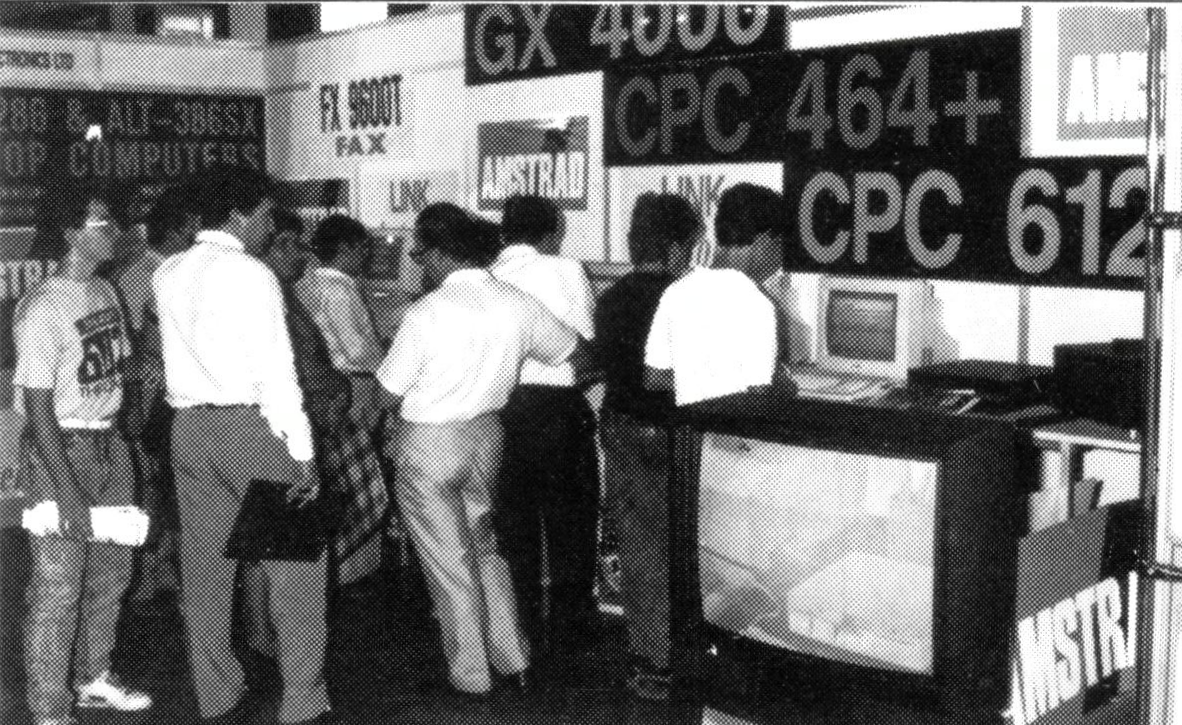
One of the Stands at “The Home & Computer Show” held in the 1990.
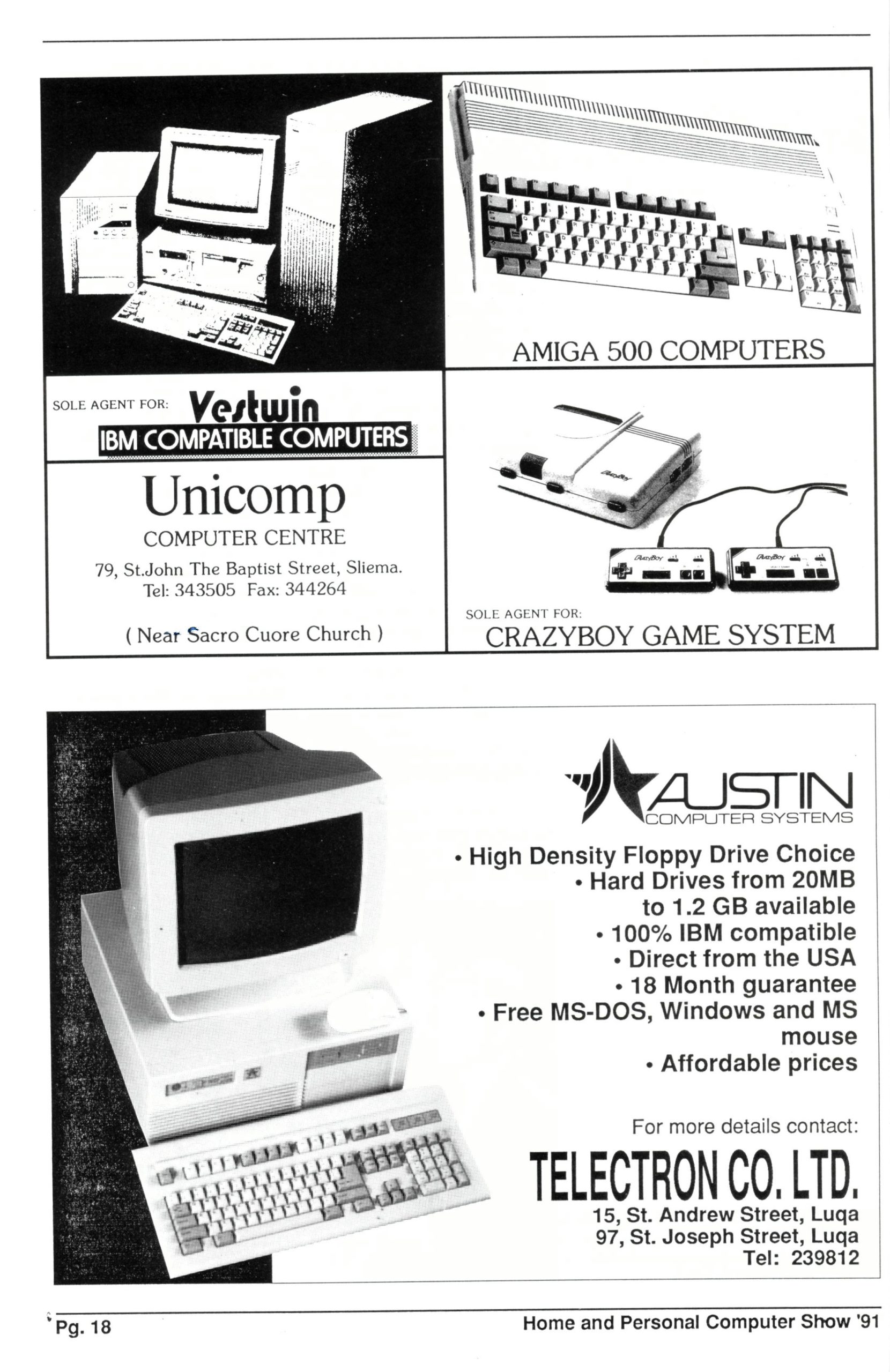
Companies such as Unicomp Specialized in Gaming, Office and home computer equipment.
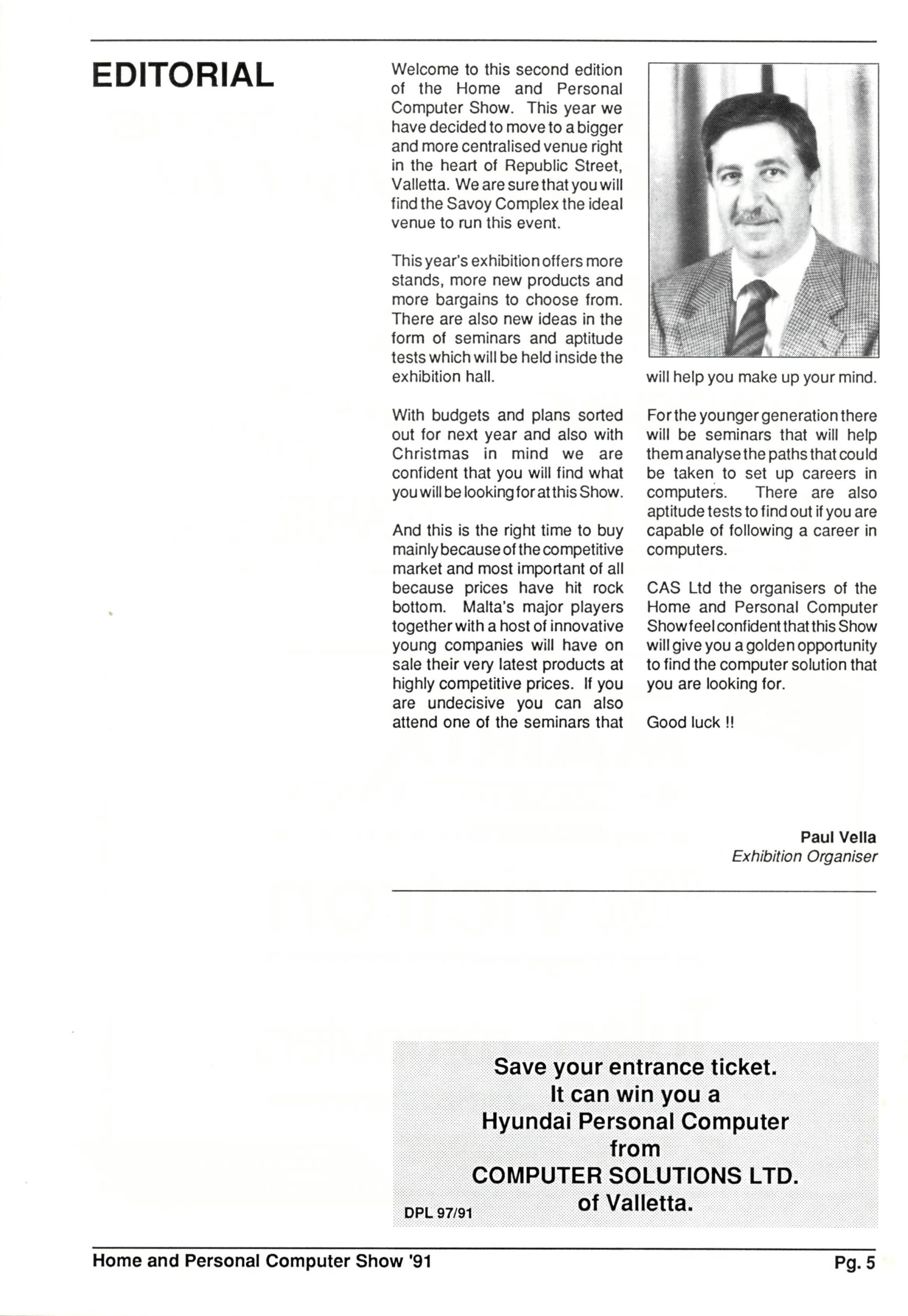
The inside Editorial of the Magazine Written by the Exhibition Organizer Paul Vella
The Business & Government Entities
In the business world, the early computing scene was quite different from the home market. Companies had a much wider range of suppliers and technology to choose from. Banks and government institutions, in particular, relied on powerful mainframe computers.
One bank even had its own dedicated mainframe. However, due to government regulations at the time, it was forced to use the government’s central mainframe instead. This machine was housed in a data center in Swatar, Dingli. This data center also served as a training ground for students studying computer science, who often completed their apprenticeships there.
Unfortunately, this historically significant location no longer exists as a data center. It has since been converted into a school, which is a bit of a shame given its importance to Malta’s computing history.
For more detailed information on the companies and suppliers that served the business market, you can read our separate article dedicated to the subject.
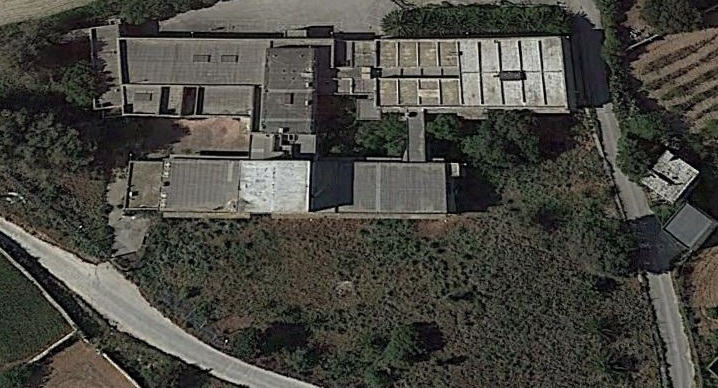
Malta’s very first Computer Centre was established in the 1960s, serving a pivotal role in government operations. Sadly, this historically significant building no longer exists, as it was demolished and replaced by a school.
From Arcades to Home Consoles
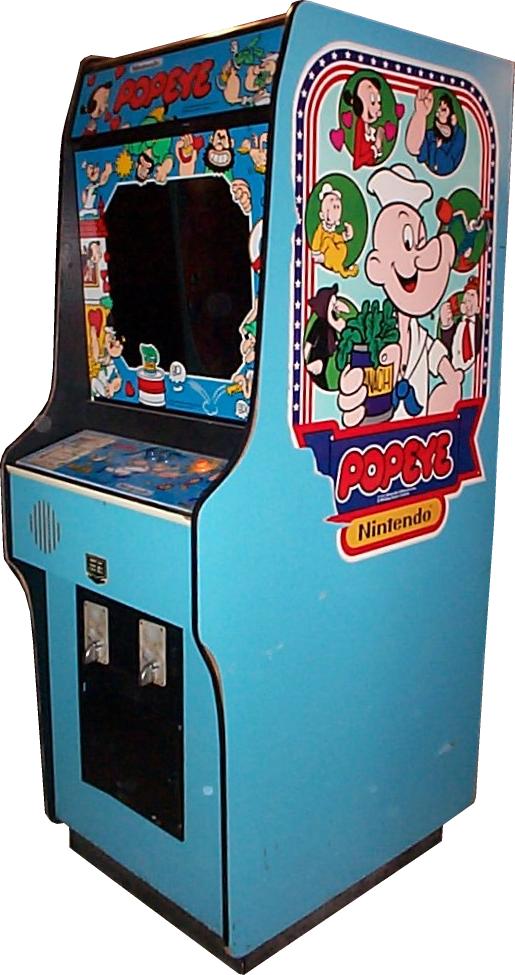
Golden AGE of Arcades
Before consoles were widely affordable, gaming culture thrived in local arcades. These venues were social hubs where gamers gathered to play. The best and most frequented arcades were located in popular tourist areas like Sliema, St. Julian’s, Ta’ Xbiex, Buġibba, and Mellieħa, often found in bars and at the entrances to cinemas.
During the early years of computing in Malta, video games first arrived in the form of Pong clones, often selling for around €160. By the late 1970s, the Atari 2600 became a popular choice for many families due to its relatively low price point. However, these early home consoles eventually disappeared from the market by the mid-1980s following a global market collapse.
Console sales didn’t rebound until the 1990s with the arrival of the Super Nintendo (SNES), Sega consoles, and Micro Genius clones, which brought video games back into Maltese living rooms.
Golden AGE of Arcades
Before consoles were widely affordable, gaming culture thrived in local arcades. These venues were social hubs where gamers gathered to play. The best and most frequented arcades were located in popular tourist areas like Sliema, St. Julian’s, Ta’ Xbiex, Buġibba, and Mellieħa, often found in bars and at the entrances to cinemas.
During the early years of computing in Malta, video games first arrived in the form of Pong clones, often selling for around €160. By the late 1970s, the Atari 2600 became a popular choice for many families due to its relatively low price point. However, these early home consoles eventually disappeared from the market by the mid-1980s following a global market collapse.
Console sales didn’t rebound until the 1990s with the arrival of the Super Nintendo (SNES), Sega consoles, and Micro Genius clones, which brought video games back into Maltese living rooms.
Golden AGE of Arcades
Before consoles were widely affordable, gaming culture thrived in local arcades. These venues were social hubs where gamers gathered to play. The best and most frequented arcades were located in popular tourist areas like Sliema, St. Julian’s, Ta’ Xbiex, Buġibba, and Mellieħa, often found in bars and at the entrances to cinemas.
We used to spend hours playing classic arcade games like Popeye, Space Invaders, and Spy Hunter. During the summer, it wasn’t uncommon for us to spend the morning at a beachside arcade and continue playing in a local computer shop in the evening.
These arcades were the true birthplace of the Maltese gaming community. At a time when home consoles were a luxury few families could afford, arcades provided the only accessible and affordable way to play games. By the end of the century, however, these arcades began to vanish, giving way to the new generation of home gaming with the arrival of the PlayStation, Xbox, and modern PCs.
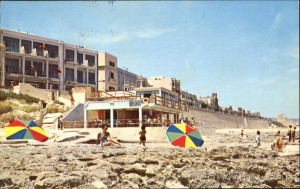
During the summer, Surfside was a popular spot for young people.
In the mornings, while swimming at the lido,
they could also play the latest video games.
The Available Operating Systems
In the late 1980s, the operating system CP/M still held a significant presence, especially within the business sector. While machines like the Commodore 128 offered a CP/M mode, their sales were limited as the market was already shifting towards IBM-compatible computers. These new PCs were quickly becoming the preferred choice for companies due to their growing software library and industry-wide compatibility.
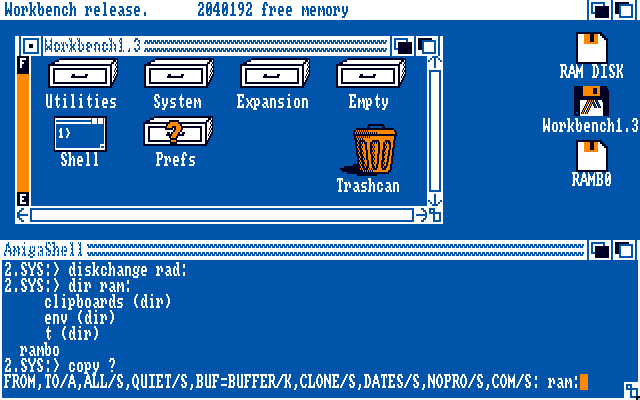
Screenshot of the Amiga Workbench V3.2
In the late 1980s, the operating system CP/M still held a significant presence, especially within the business sector. While machines like the Commodore 128 offered a CP/M mode, their sales were limited as the market was already shifting towards IBM-compatible computers. These new PCs were quickly becoming the preferred choice for companies due to their growing software library and industry-wide compatibility.
The Amstrad CPC series also utilized CP/M but remained successful in the local market. Its integrated design, featuring a built-in disk drive and a large supply of business software, made it an attractive and affordable option for small businesses, helping to prolong the life of the CP/M platform in Malta.
Meanwhile, the home and creative markets saw the rise of new competitors. The Commodore Amiga and the Atari 520 ST both arrived on the scene in late 1987. These machines were not only popular with home users for their gaming capabilities but were also embraced by musicians and artists due to their advanced graphics and sound.
As the decade came to a close, compatibility became the most critical factor for businesses. By the end of the 1980s, it was rare to find a new CP/M machine being sold in the private sector. The government, however, continued to rely on the platform, using machines like the Amstrad PCW8256 as dedicated terminals.
The era of Windows 95 is considered
the start of the computer boom.
In the early 1990s, the computing landscape underwent a major transformation. The market was liberalized, and private companies like Computime began offering their own online time-sharing services to the private sector. This shift made the government-run Swatar Data Center, once a central hub, less essential for the private sector.
The Swatar complex was eventually shut down in the late 1990s and replaced with a more modern and compatible data center. Former employees fondly recall their time working at the Swatar location, highlighting its importance in Malta’s technological history.
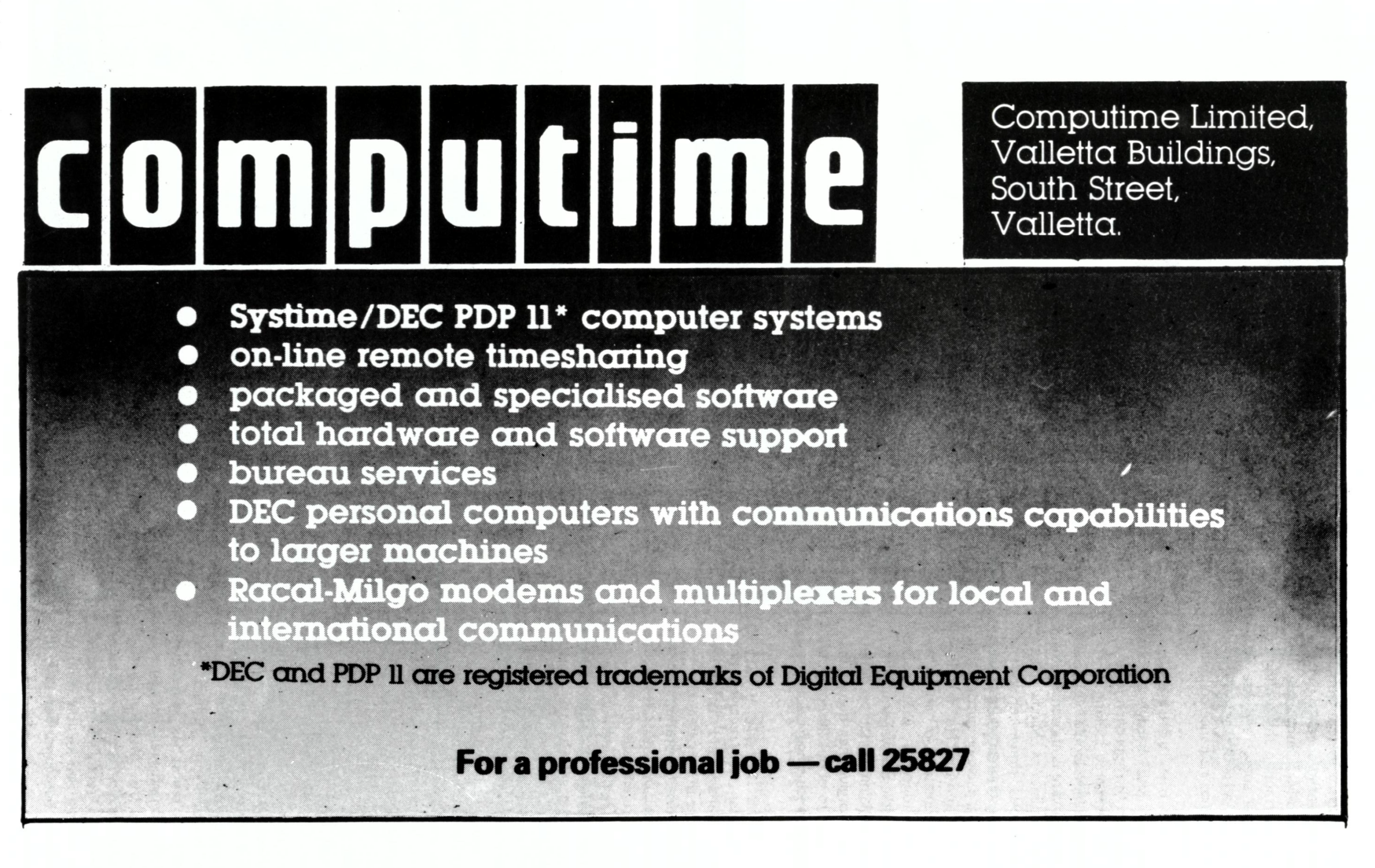
One of the Adverts in mid 80’s offering ON-LINE Timesharing to other companies.
The Apple was represented by BDS Ltd
later by VJ Salamone.
Apple computers also performed well in the local market, with sales driven by suppliers like BDS and later VJ Salamone. In the early days, those who purchased an Apple II were typically in the education sector. When the Macintosh was introduced, it too found a user base, but its sales declined sharply in the mid-1990s with the arrival of Windows 95 on affordable IBM-compatible machines.
Similarly, the Commodore Amiga, with its own operating system and graphical user interface (GUI) known as Workbench, was a major success in the home computing market and in creative studios. It was highly popular for its gaming, as well as its video editing and other multimedia software. However, the Amiga eventually lost its market share when Windows 95 provided a modern, user-friendly interface for the PC and local computer builders began flooding the market with cheap IBM clones.
This shift effectively brought an end to the dominance of the distinct home computer market in Malta. The era of brand-specific ecosystems came to a close, forcing the remaining computer shops to pivot and focus almost exclusively on the IBM-compatible PC sector.
Today’s Shop outlets and Current Technology
The Rise of a New Era
The end of the 20th century marked a new beginning. Malta saw a boom in IT and gaming companies, significantly increasing the number of suppliers on the island. The government also played a crucial role by investing heavily in a nationwide initiative to extend internet access to homes and public parks. This push for connectivity laid the groundwork for today’s digital infrastructure. As a result, Malta now boasts over 20 data centers and has dedicated institutions like the Faculty of ICT, MCAST, and various private entities offering a wide array of courses to educate the next generation of tech professionals.
A Fond Look Back
Although computers have become incredibly powerful and trustworthy, there is a certain nostalgia for the simplicity of the past. Today’s software often requires constant upgrades and additional hardware. But we still fondly remember a time when running a program was as simple as inserting a disk. The absence of complex installations or memory requirements made the experience more direct and, in many ways, more charming.
Comments are closed