



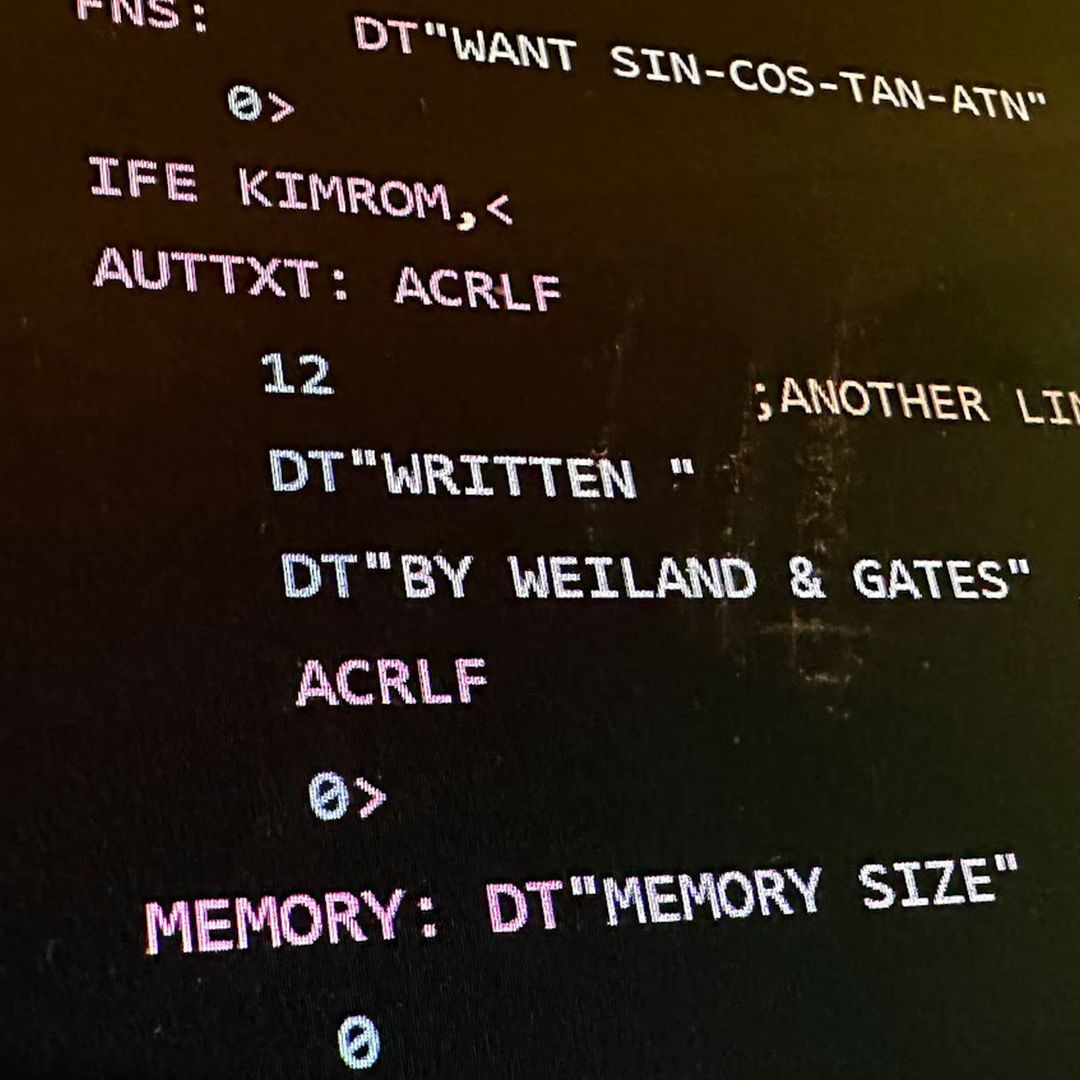
Historians of old computers paused as Microsoft announced the release of the 6502 assembly source code for its vintage BASIC interpreter. This was not just arbitrary code; it revealed a program that drove the personal computer revolution, integral to legendary machines like the Commodore 64 and Apple II. This release is more than a historical footnote; it’s a valuable glimpse into early personal computing, the clever hacks that adapted great software for modest hardware, and the lasting impact of a language that introduced countless people to programming.
Microsoft BASIC and the 6502: A Very Short History
The highly influential
In order to understand how important this announcement is, let’s go back to the mid-1970s. The personal computer was on the horizon, primarily sold as hobby kits. Altair 8800 was the perceived first successful personal computer, but it had little convenient programming. Bill Gates and Paul Allen saw this gap and developed an interpreter for the Altair Intel 8080 processor for the BASIC programming language. In this way, Microsoft was born, initiating the company’s software hegemony.
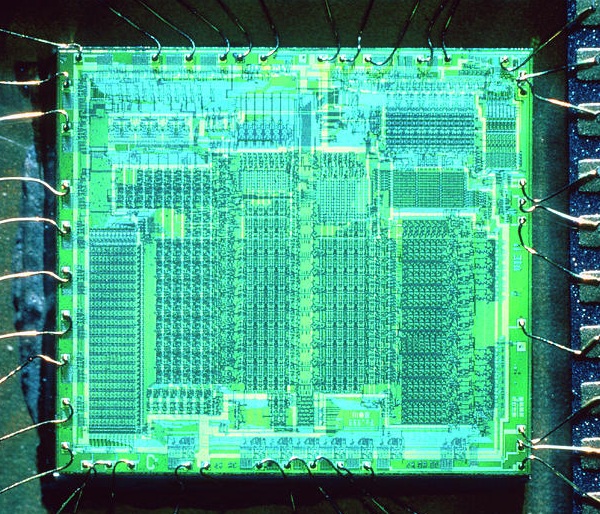
As the personal computers themselves grew larger in sophistication, so did the processors. MOS Technology 6502 was an ultra-cheap but robust 8-bit microprocessor that came to be an instant hit. Inexpensive but yet highly effective, it was the brain of home computers like the Commodore 64 and Apple II. Seeing its potential also, Microsoft imported its BASIC interpreter to the platform. This required an intimate understanding of the 6502’s unique instruction set in order to get the optimum performance with tight memory restrictions. 6502 Microsoft BASIC was the result, shipping with hundreds of units as standard, and becoming the first programming language for many.
The Commodore 64: BASIC as an Entry Point to Gaming and Creativity
For most, the Commodore 64 unlocked the doors to a completely new world, with Commodore BASIC at its nucleus, written in Microsoft’s 6502 BASIC. Booting revealed a selection of blue screens and the “READY.” prompt, prompting you to enter the timeless words “PRINT “HELLO WORLD”””.
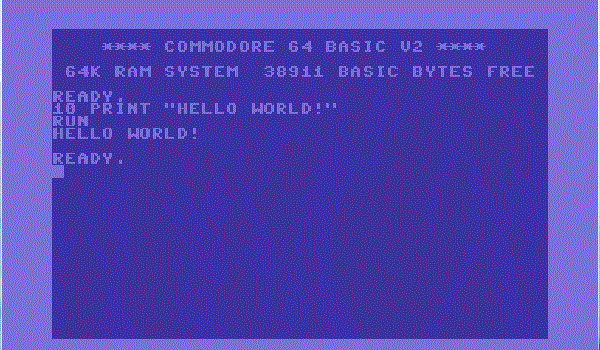
Commodore BASIC, criticized by experienced programmers for its slowness compared to assembly language, was crucial to the C64’s success. It introduced programming to a generation of kids, who eagerly typed programs from magazines, learning loops, variables, and if-statements. Many famous game and software programmers started with BASIC on the Commodore 64. The interpreter was also vital for loading and running commercial programs. While advanced games and programs used assembly for efficiency, BASIC provided the initial interface for managing files and disks.
The availability of the 6502 BASIC source code has profound implications on the history of the Commodore 64. Programmers and historians alike can now study the routines for memory management, I/O, and command interpretation. This is beneficial for an appreciation of how Microsoft engineers were able to pack functionality into as little as 8K or 16K ROM, how Commodore adapted it for the C64’s VIC-II graphics chip and SID sound chip, and so on. Having an idea how the BASlC works can also have an impact on existing emulation projects as well as on the writing of utilities for the platform.
The Apple II: Where BASIC Driven Innovation and Healthy Ecosystem Existed
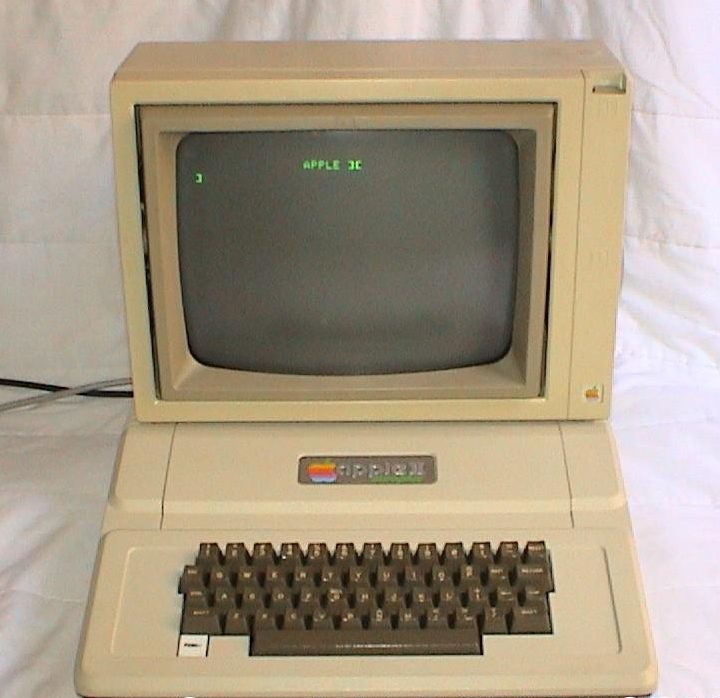
As the Commodore 64 rose, the Apple II gained a solid reputation in education and small business. Like the C64, it used Microsoft’s 6502 BASIC variant. Early models featured Integer BASIC (by Steve Wozniak) and the richer Applesoft BASIC from Microsoft. Standard in ROM, Applesoft offered floating-point arithmetic and advanced string manipulation for demanding programs.
The Apple II’s expandable architecture and the Applesoft BASIC encouraged an active software community. Programmers developed many programs, such as education tools as well as games. Simpleness in the BASIC also facilitated the quick prototyping, accelerating the word-of-mouth growth for the Apple II. Most early software companies got their starts by becoming BASIC developers for the Apple II.
As the Commodore 64 rose, the Apple II gained a solid reputation in education and small business. Like the C64, it used Microsoft’s 6502 BASIC variant. Early models featured Integer BASIC (by Steve Wozniak) and the richer Applesoft BASIC from Microsoft. Standard in ROM, Applesoft offered floating-point arithmetic and advanced string manipulation for demanding programs.
The Apple II’s expandable architecture and the Applesoft BASIC encouraged an active software community. Programmers developed many programs, such as education tools as well as games. Simpleness in the BASIC also facilitated the quick prototyping, accelerating the word-of-mouth growth for the Apple II. Most early software companies got their starts by becoming BASIC developers for the Apple II.
The 6502 source codes for the BASIC are an Apple II enthusiast’s treasure. They disclose how the Apple II’s memory, graphics, and expansion slots were addressed by the Applesoft BASIC. Comparisons between releases on different machines reveal the major distinctions between the personality of each platform. This information beneficially contributes to the archiving of Apple II software, emulator design, and the development of retro-computing ventures.
Nostalgia and Long-Term Source Code Value
The release of the sources for the 6502 Microsoft BASIC stirs memories of childhood, but its cost goes beyond nostalgia for certain reasons:
Historic Preservation: Source code is the software’s genetic code. Saving it allows future generations to see how early programs functioned, providing an inside glimpse at the evolution of the computer.
Learning Resource: Beginner coders will benefit greatly by learning from this highly optimized low-level code. It demonstrates brilliant programming challenge solutions with limited conditions, teaching the value of effective coding.
With the ability to understand the BASIC interpreter, one could accurately emulate old machines so that software runs exactly as it would on the original platforms and the retrocomputing environment is maintained. It also offers possibilities for exploring, fixing, and enhancing ancient BASIC interpreters. You might implement new commands, improve routines, or port them for other platforms. Examining the communication between the 6502 and the BASIC helps us understand the power and weakness of the processor, illustrates how its builders accepted its constraints, and informs us about the initial designs for microcomputers.
Unobvious Ingenuity: Optimizations & Memory Limits
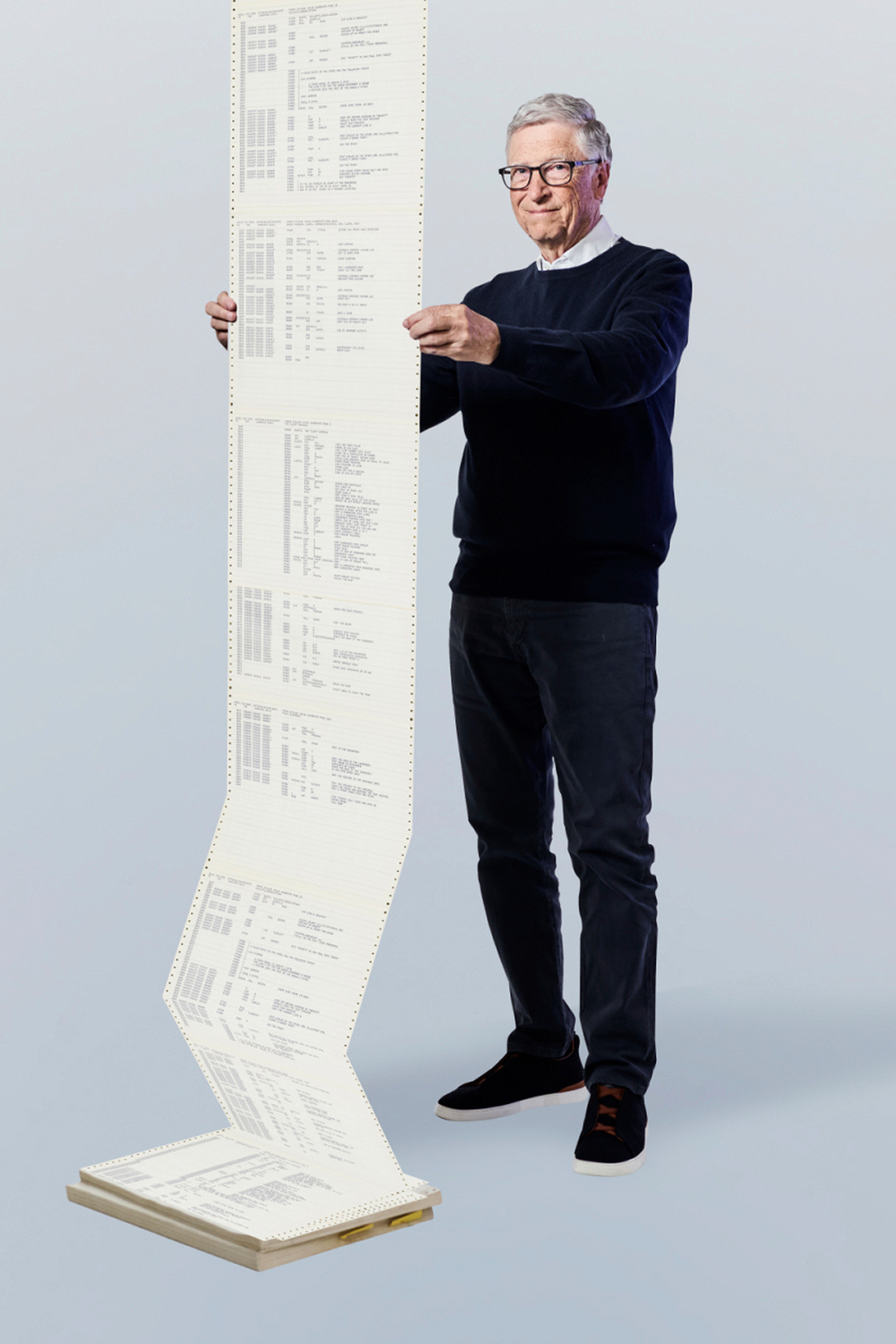
The ingenuity needed to perform high-performance software on minimal hardware is shown by the Source Codes. In early home computers, the RAM was minimal at 4KB, 8KB, or 16KB, with the ROM space for the BASIC interpreter consuming minimal space. With limited resources, minimal overhead existed.
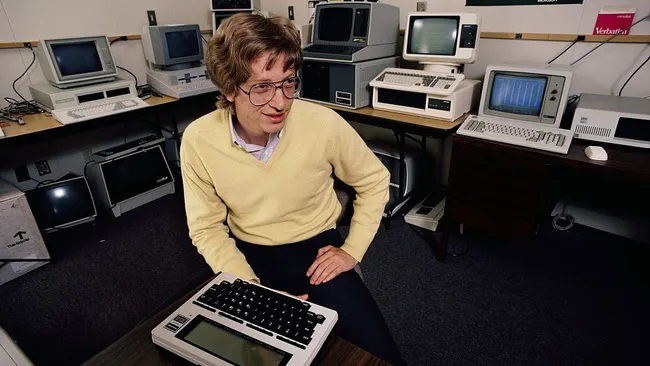
The 6502 BASIC source program demonstrates superior optimizing skills:
Self-Modifying Code: A common 8-bit assembly trick that changes instructions in flight to save memory or to gain speed.
Creative Data Structures: Minimizing data structure overhead.
Reusing Routine: Determine typical operations and turn these routines into subroutines that may be reused throughout the interpreter to reduce duplicate coding.
Bit Manipulation: Altering the bits in the bytes so that the data can contain more.
Zero Page Optimization: To access the 6502’s “zero page” (the first 256 bytes), the program had faster access times compared to the rest of the memory. Skilled coders kept the zero page free for variables and pointers most frequently used.
Mapping floating-point operations to an 8-bit integer processor was a challenging task needing advanced algorithms for accuracy and speed. They are low-level building blocks of computer science that are less explicit in current programming languages. Their source code is an excellent teaching aid for exploring these optimizations.
Shaping the Generation with the Impact of BASIC The Microsoft 6502 BASIC had a huge impact on the personal computer age. As the first language for the millions, it sparked an interest in technology. It generated the hobbyist market, encouraged innovation, and paved the ground for the modern software industry. Its public domain release showcases open knowledge and fundamental technology. It offers insight into personal computing’s origins and early software engineers’ brilliance. For retro computing fans, coders, or history majors, exploring the 6502 Microsoft BASIC source code reveals a glimpse into a pivotal revolution.
Comments are closed