
“The following article is related on how the Business Industry took advantage of Computers, to improve their efficiency, and maintain their clients.”
This article is related on how the Business Industry took advantage of Computers, to improve their efficiency, and maintain their clients.
The first years…….
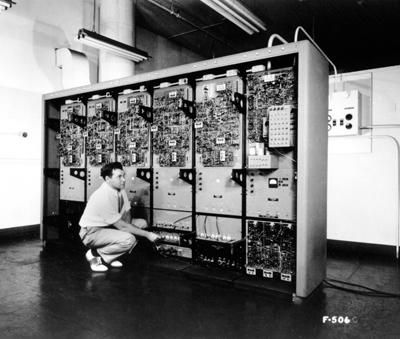
As we briefly mentioned in our previous post, “Computers in Malta (Home Computers),” technology was largely considered taboo in the 1970s. However, this perception was changing rapidly in the business sector, particularly within financial services, at the dawn of the 1980s. Local magazines and newly established IT companies began to emerge, offering a variety of services and importing the latest equipment, predominantly from the British market.
The first known automated system was introduced in Malta as far back as 1947. An automated wages and costings machine, supplied by ICL (a company that formed in 1968 through a British merger), was first installed at a local beverage factory.
The government later acquired a similar system for the Malta Drydocks. These early systems were among the only ones known on the island, but by the mid-1970s, more companies began to recognize the value of automation.
Following Malta’s Independence in 1964 and its transition to a Republic in 1974, new opportunities arose, and more companies began to emerge. The Maltese economy’s continued reliance on the British economy made it easier for these new businesses to import computers and cutting-edge technology from the UK. In the late 1970s, Malta established its first dedicated Computer Centre in Dingli. This facility housed the latest technology, which was primarily used by the local government and banks for their statistical and accounting systems.
At the time, computers were widely perceived as a threat to employment. To address these fears, the government imposed regulations to control the flow of automated systems into companies. In 1978, NCR opened a Technical Center in Mtarfa, providing in-house training for technical staff from the Middle East and Africa. This center was maintained by Philip Toledo Ltd., a company that was later appointed as an HP distributor in 1981.
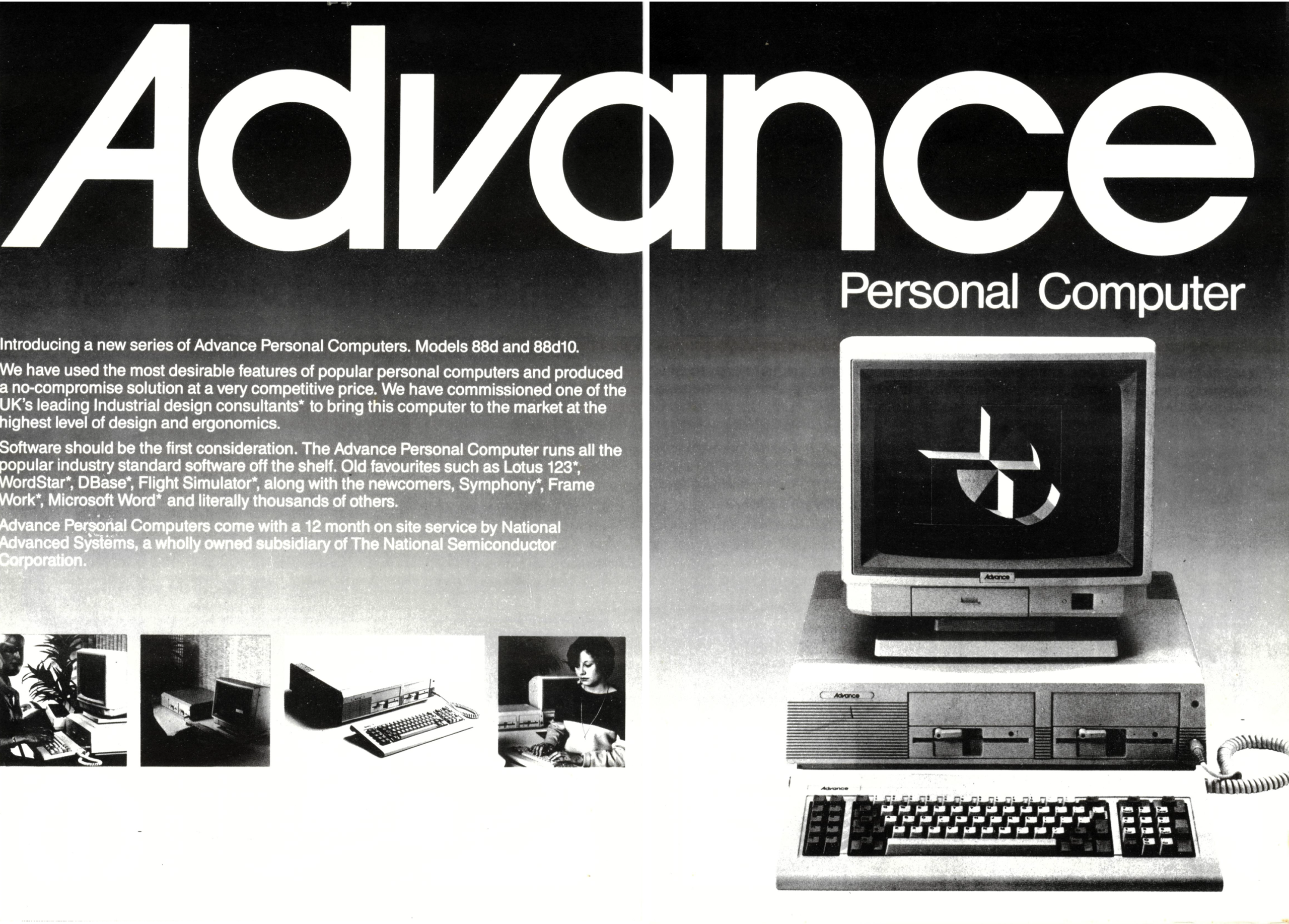
The year 1979 proved to be particularly difficult for Malta due to various disputes with Britain, which culminated in the departure of the last British military forces. This politically and religiously charged environment caused many businesses to suffer and lose valuable clients.
During our research, we found a 1974 article highlighting the difficulty of selling computers in Malta. It’s important to consider that this period coincided with a change in government, which may have led the company in the article to feel threatened.
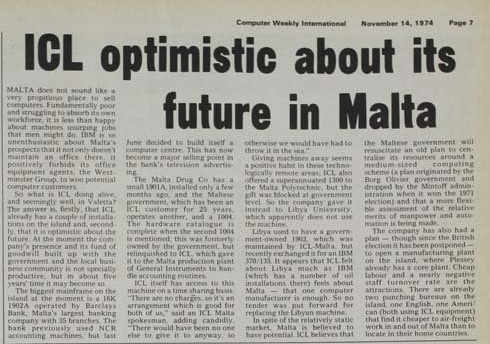
Despite the new regulations and the dominance of ICL as the main international supplier, the company remained optimistic, hoping for a more favorable business environment in the future.
“As the article states IBM is so unenthusiastic about Malta’s prospects that it not only doesn’t maintain an office there, it positively forbids it office equipment agents.”
The Prosperous Future and its difficulties…
ICL’s optimism proved to be well-founded. Despite the political and regulatory hurdles of the time, the late 1970s and early 1980s saw a remarkable surge in the number of IT companies entering the Maltese market. A new wave of businesses emerged, offering a diverse range of services and products that catered to the growing demand for technology.
The years between 1977 and 1982 were particularly crucial, as they witnessed the establishment of many of the foundational names in Malta’s IT sector. This period saw the launch of companies such as:
- Computime
- Megabyte
- Economicard
- Petroni
- Interspan
- Professional Computing Ltd
- BDS Ltd
- CAM Ltd
- Jodal Trading
- Intercomp
- Micro Computers Ltd
- Frank Borda & Sons
- Panta Computer
- Image Systems Ltd
- Office Electronics
- Datamat Ltd
This rapid expansion of the market continued into the following years. While more companies entered the scene, a few stood out and played key roles in shaping the industry. These included Eurocomp, Shireburn, DMA Micro Services Ltd, and Office Computers Ltd.
As one can imagine, this influx of new players quickly led to a highly saturated market. Competition was fierce, with companies vying to sell various types of computers, accessories, and services. This intense competition ultimately benefited businesses and the general public, as it drove innovation and made technology more accessible.
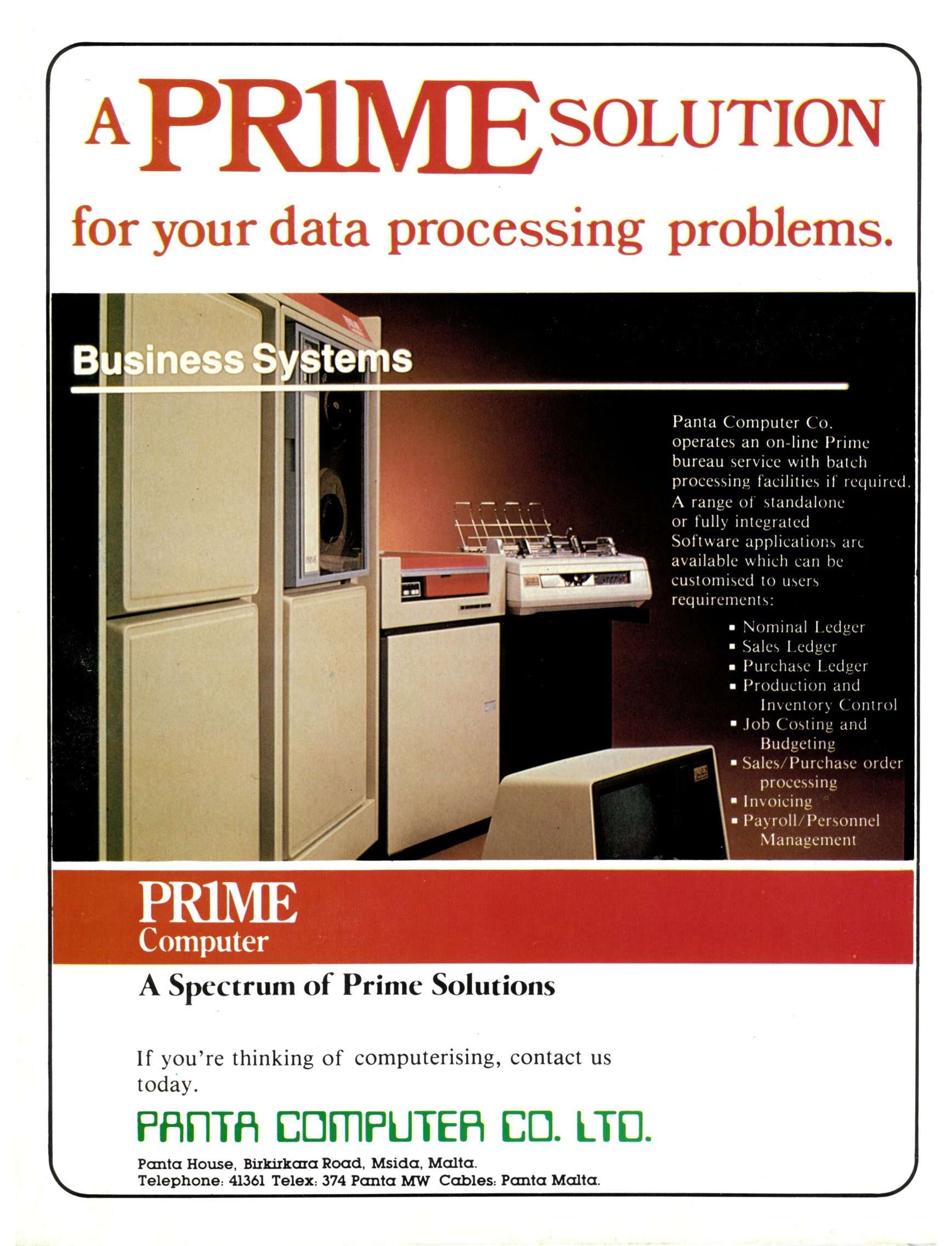
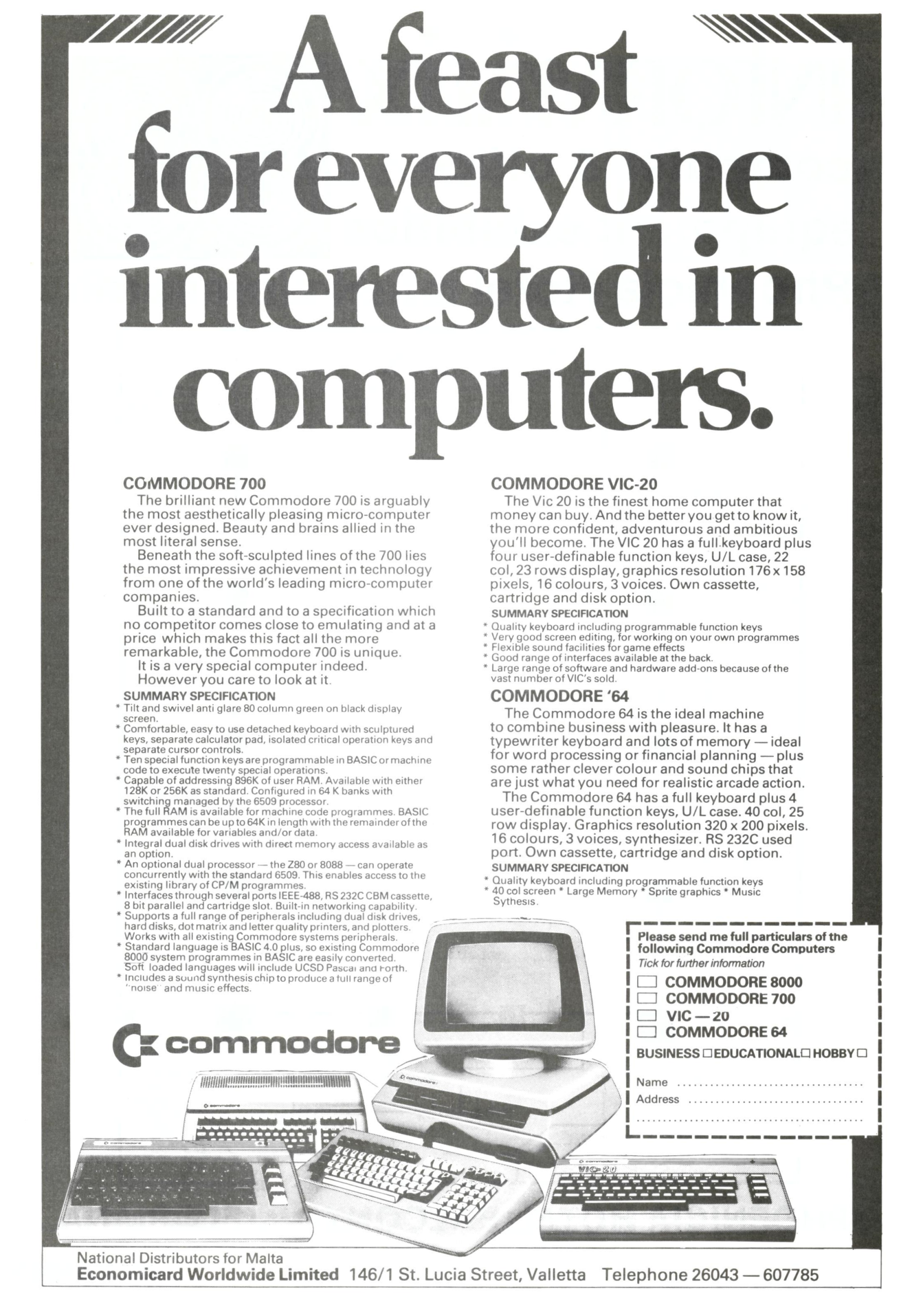
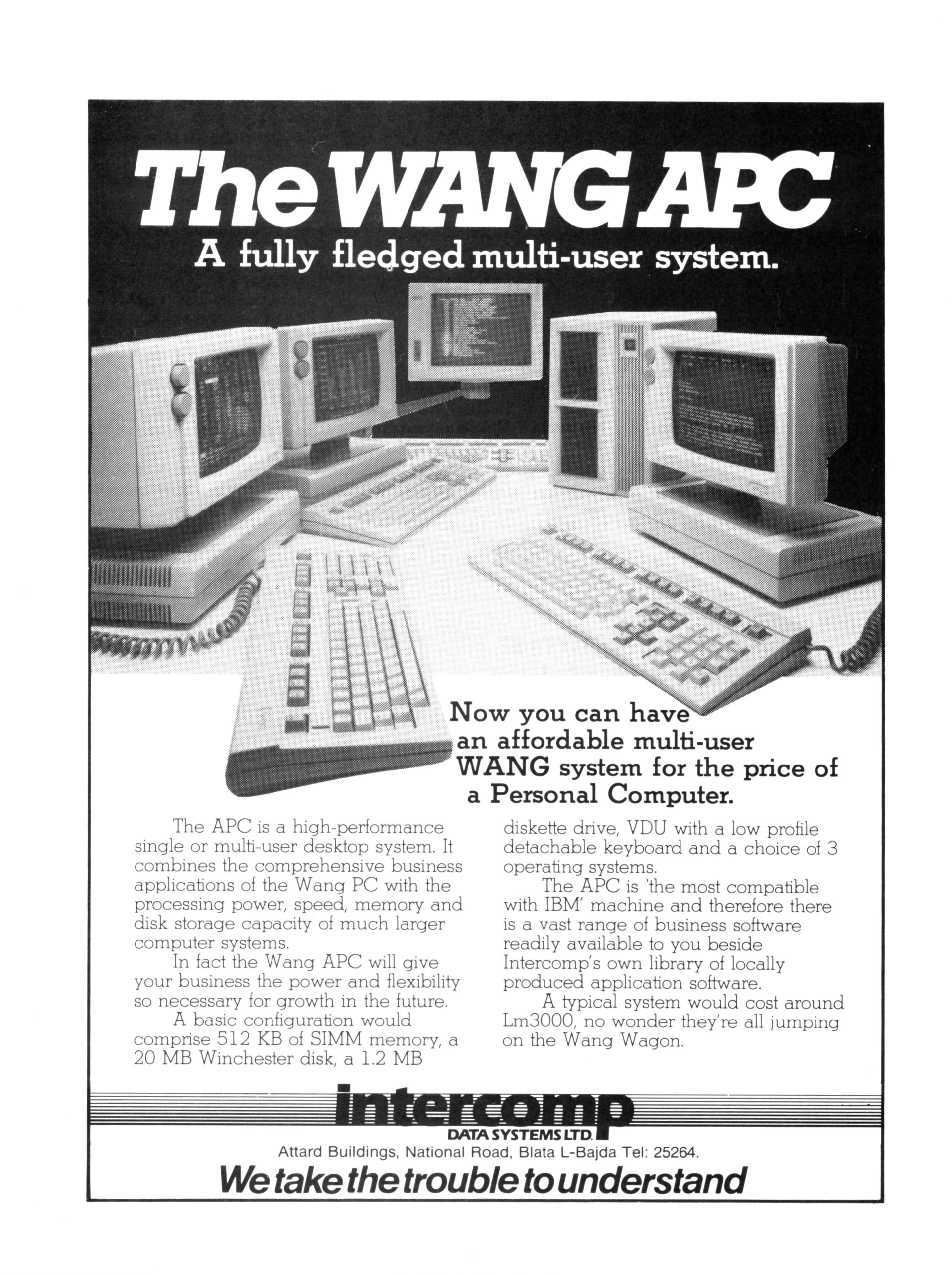
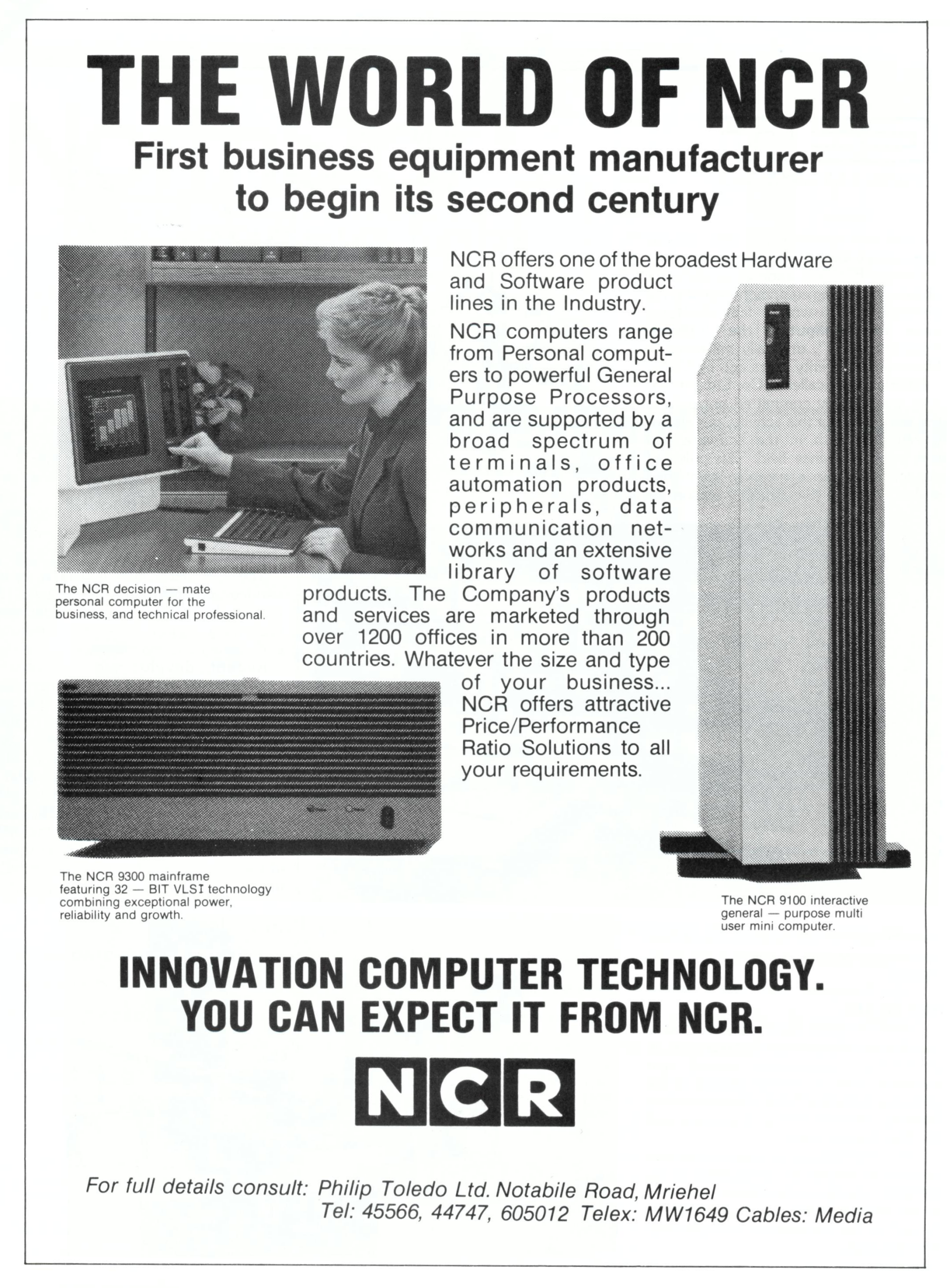
The Shops, outlets and over saturated Market.
The Early Retail Landscape
In the initial phase of the IT boom, retail options for the public were extremely limited. Many of the first companies to import computers operated from single outlets, with their primary business being direct sales to other emerging companies seeking to automate their accounting and improve efficiency.
The late 1980s and early 1990s saw a new wave of businesses emerge, marking the true beginning of the local computer retail scene. While the list of companies is extensive, some were particularly influential in establishing the first successful computer shops on the island. These included:
- Home & Office
- First Computers Ltd.
- Digitone
- Unicomp
- Link
- Datax
- W.I.S.E. Computers
- Computer Solutions
- Bits and Bytes
- Sharper Image
- Merlin Computers
A historical note about Datax and Link: these two prominent shops were founded by former owners of Datalink Computers, who later established their own separate companies.
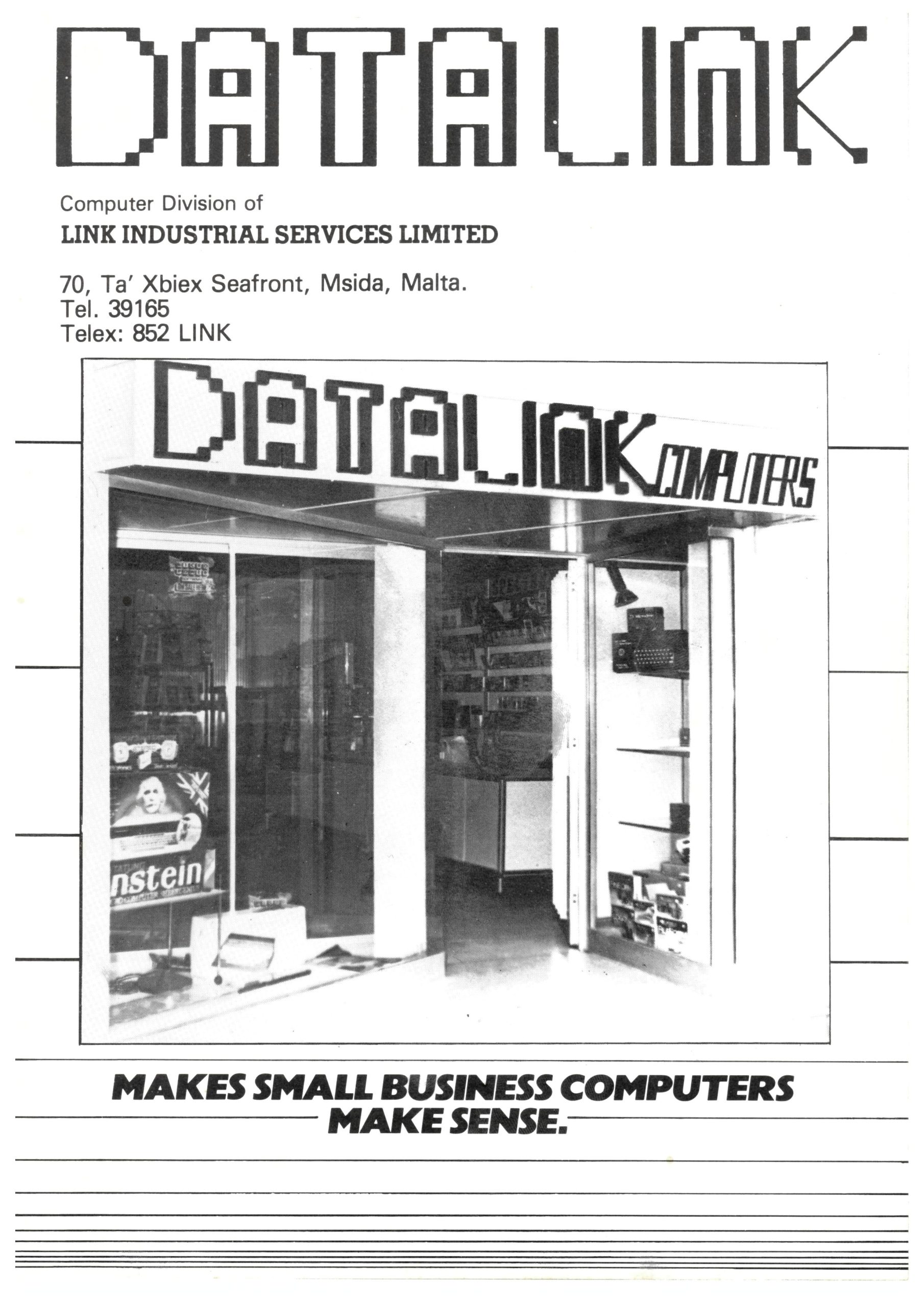
While a few of these shops successfully secured private and government contracts, their main clientele was the general public, small-to-medium-sized businesses, and the burgeoning local gaming community.
The Dynamics of Distribution
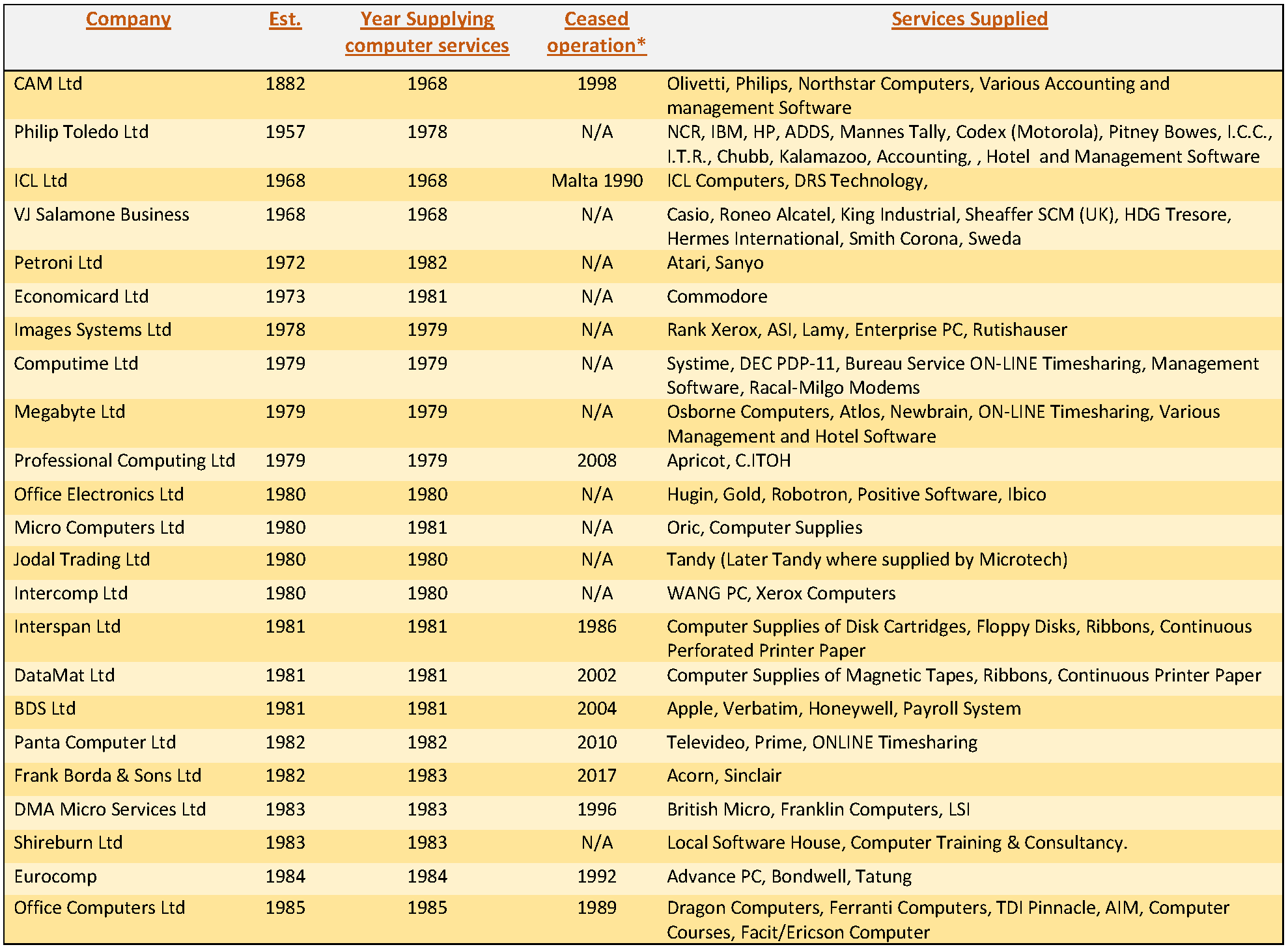
The following is a list detailing what each top company supplied to both corporate and general markets. As the chart illustrates, these companies did not sell competing brands. This was a direct result of a government regulation that designated specific companies as sole agents for particular brands, creating a structured, non-competitive distribution system.
A Tale of Two Business Models
For smaller computer shops focused on retail, survival was a constant struggle. Their revenue was almost entirely dependent on the sale of peripherals and software, which often had very low-profit margins. Their existence was a testament to the passion and dedication of their owners.
In contrast, the more established companies with a stable, corporate clientele enjoyed a far more secure financial position. Their primary income came from large-scale projects and ongoing maintenance contracts, providing them with a steady and reliable cash flow that allowed them to thrive and expand their operations.
The first exhibitions & Fairs
In order to boost revenue and raise public awareness, an annual event was established to showcase the latest technology available to the business community. This event was the Informatix Business exhibition, first held in 1983 in the Grand Ballroom of the Phoenicia Hotel . Due to the high cost of participation, this event was initially limited to larger companies.
The Evolution of Exhibitions
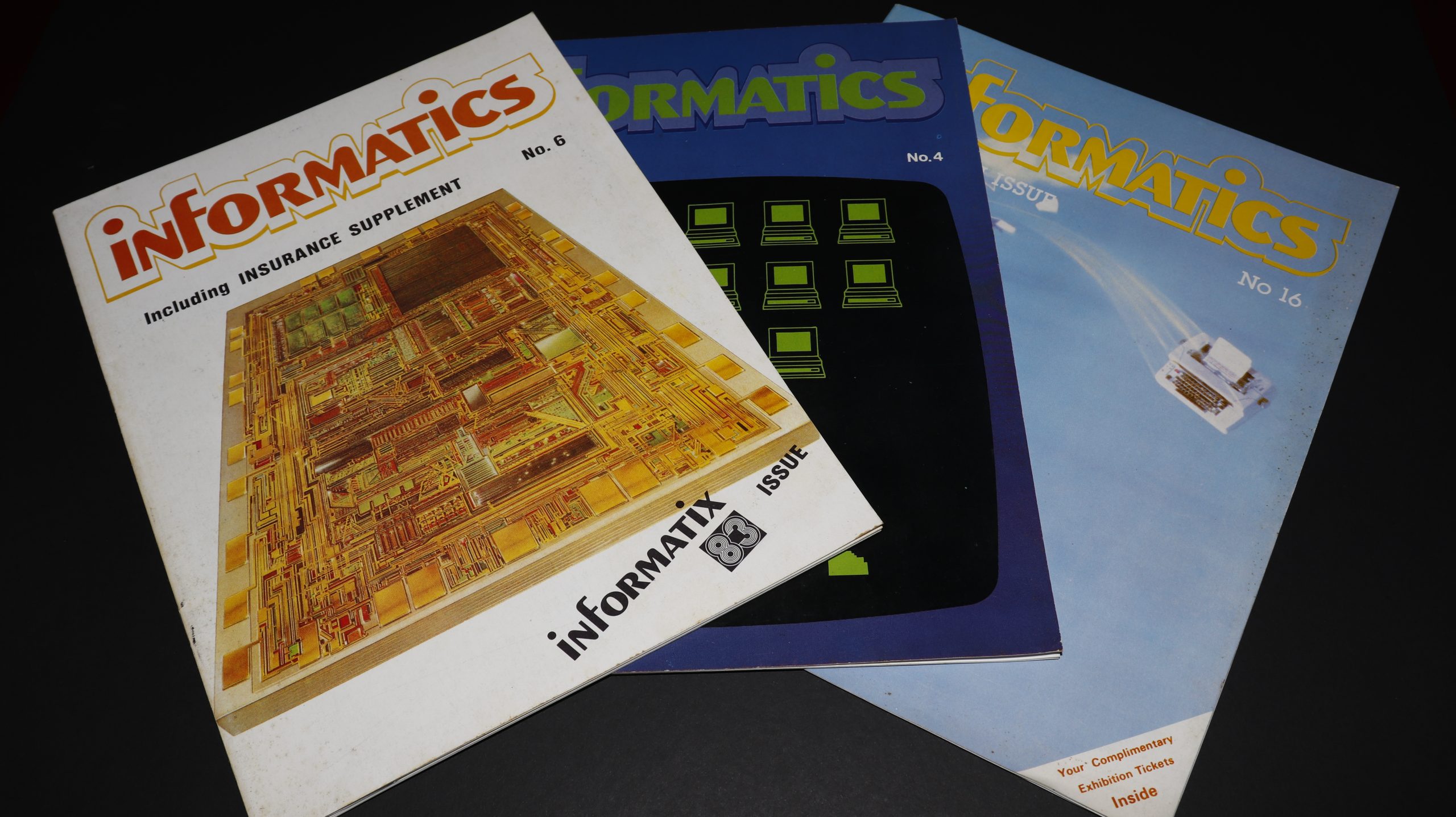
The Informatix exhibition was a direct outgrowth of two earlier initiatives: the Informatics Magazine, published by JP Advertising Ltd., and the prior Eletronika Fair, organized by the Chamber of Commerce of Malta.
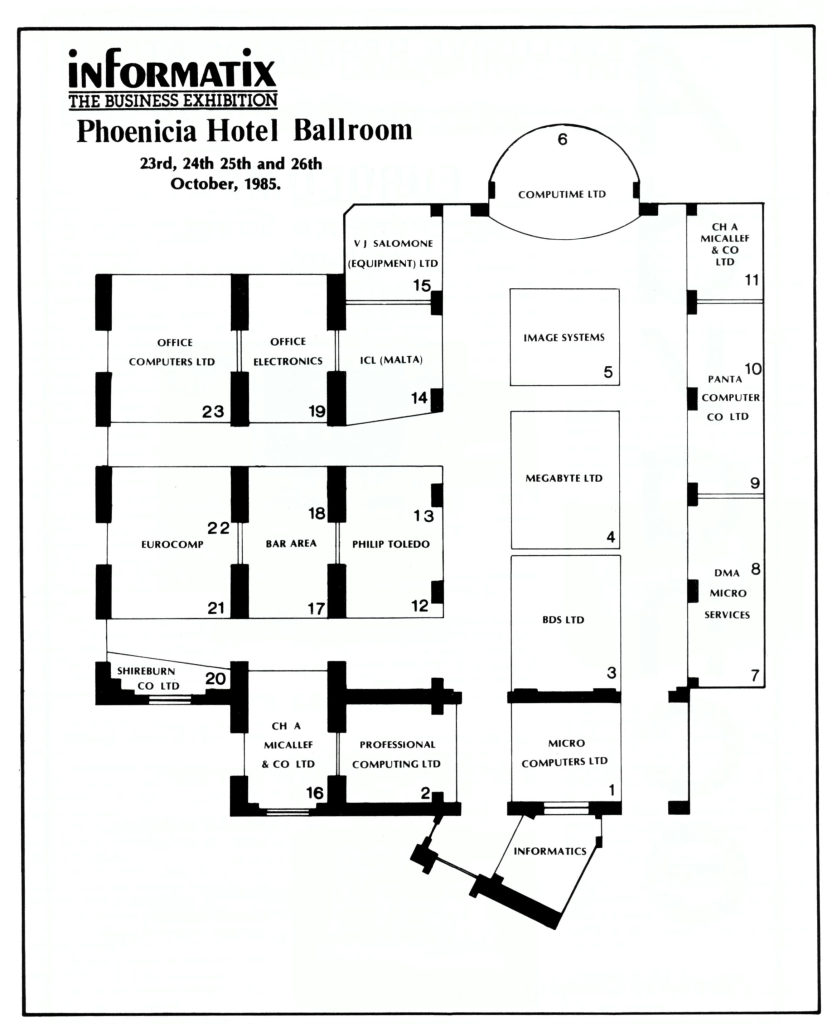
The Informatix exhibition was held annually until the late 1980s. However, smaller companies were often unable to participate as the focus remained heavily on the business sector. As computers gained popularity with the general public, the need for a more accessible exhibition became clear. In 1990, the first “The Home and Personal Computer Show” was organized by CAS LTD (Computer Advisory Services) to cater to the boom in home computing and the video game market.
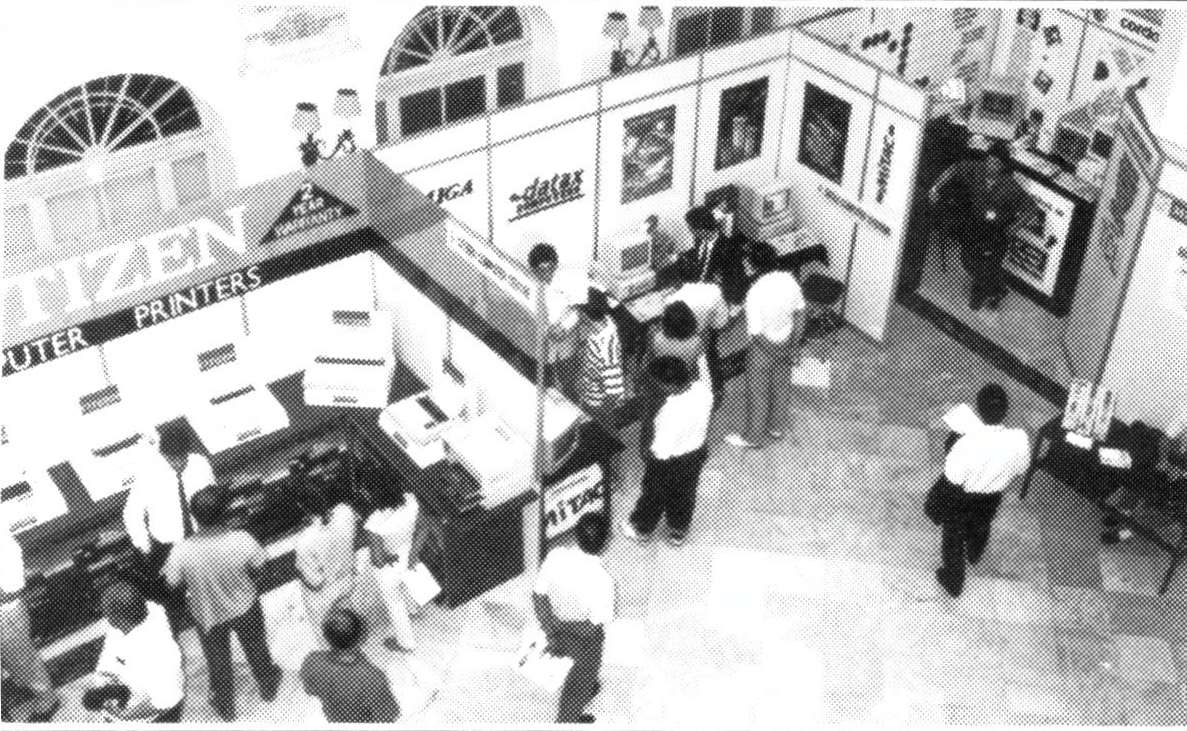
Unfortunately, detailed information on CAS LTD is scarce, other than its registration in 1987 and its activity until 2013, during which it offered computer courses.
The Rise of Major Computer Fairs
Over time, more business exhibitions were held throughout the late 80s and early 90s, becoming too numerous to list. By the end of the 90s, the Malta Fairs and Conventions Centre (MFCC) in Naxxar began organizing a large-scale computer fair that drew participation from most companies. This marked a major step in the evolution of Malta’s tech scene, but it all began with the foundational efforts of the Informatix exhibition and its accompanying magazine.
Restrictions, ONLINE Timesharing & IT Services
The Rise of IT Services
In the early days of Malta’s tech boom, a government regulation stipulated that established companies could not sell the same brand of equipment. This was intended to prevent market overlap and ensure a diverse range of products were available locally. The importation process was also cumbersome, with extensive paperwork required before any new equipment could enter the market. With sales for individual units not particularly high, business-focused computer suppliers began to diversify their offerings, shifting from hardware sales to providing software and services.
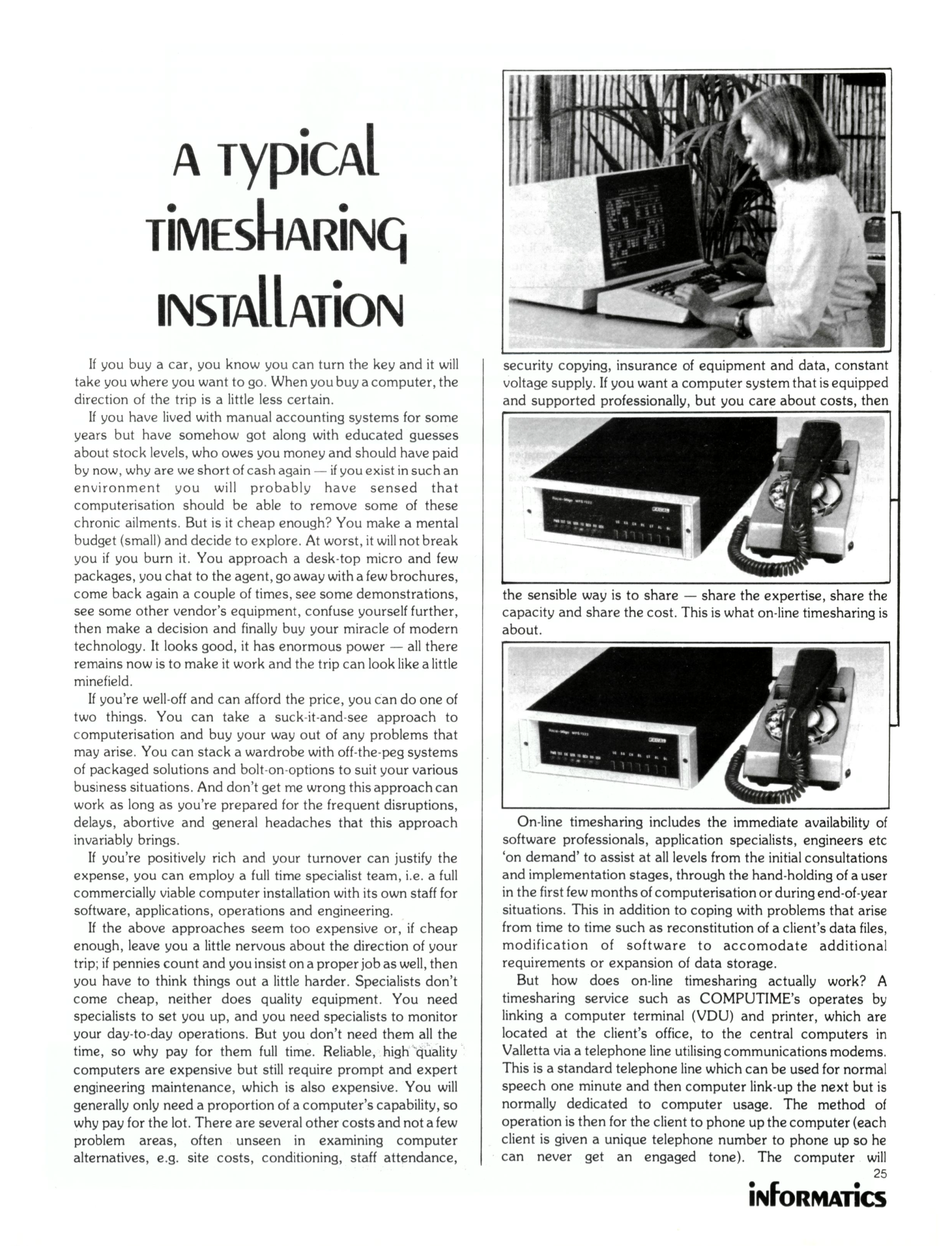
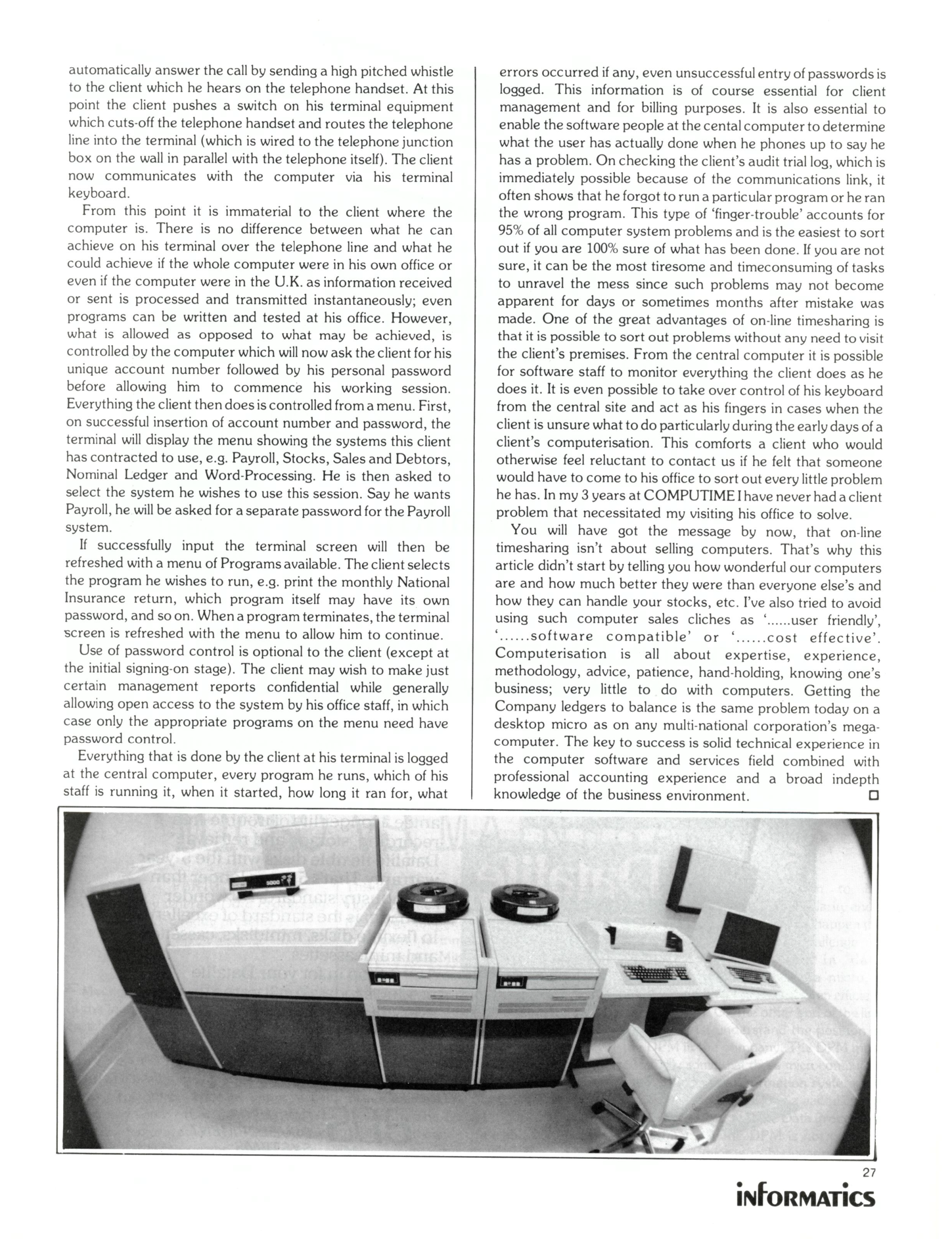
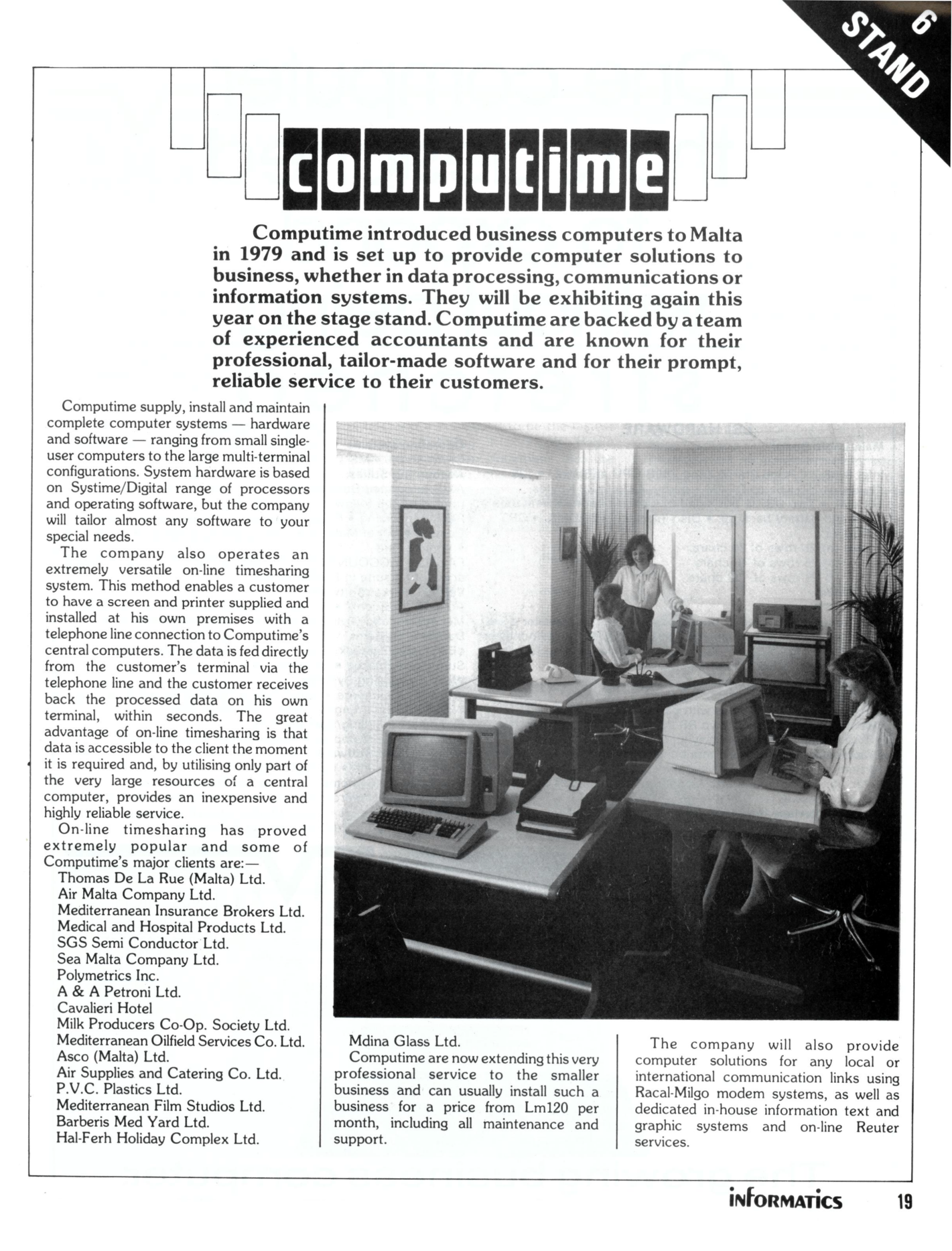
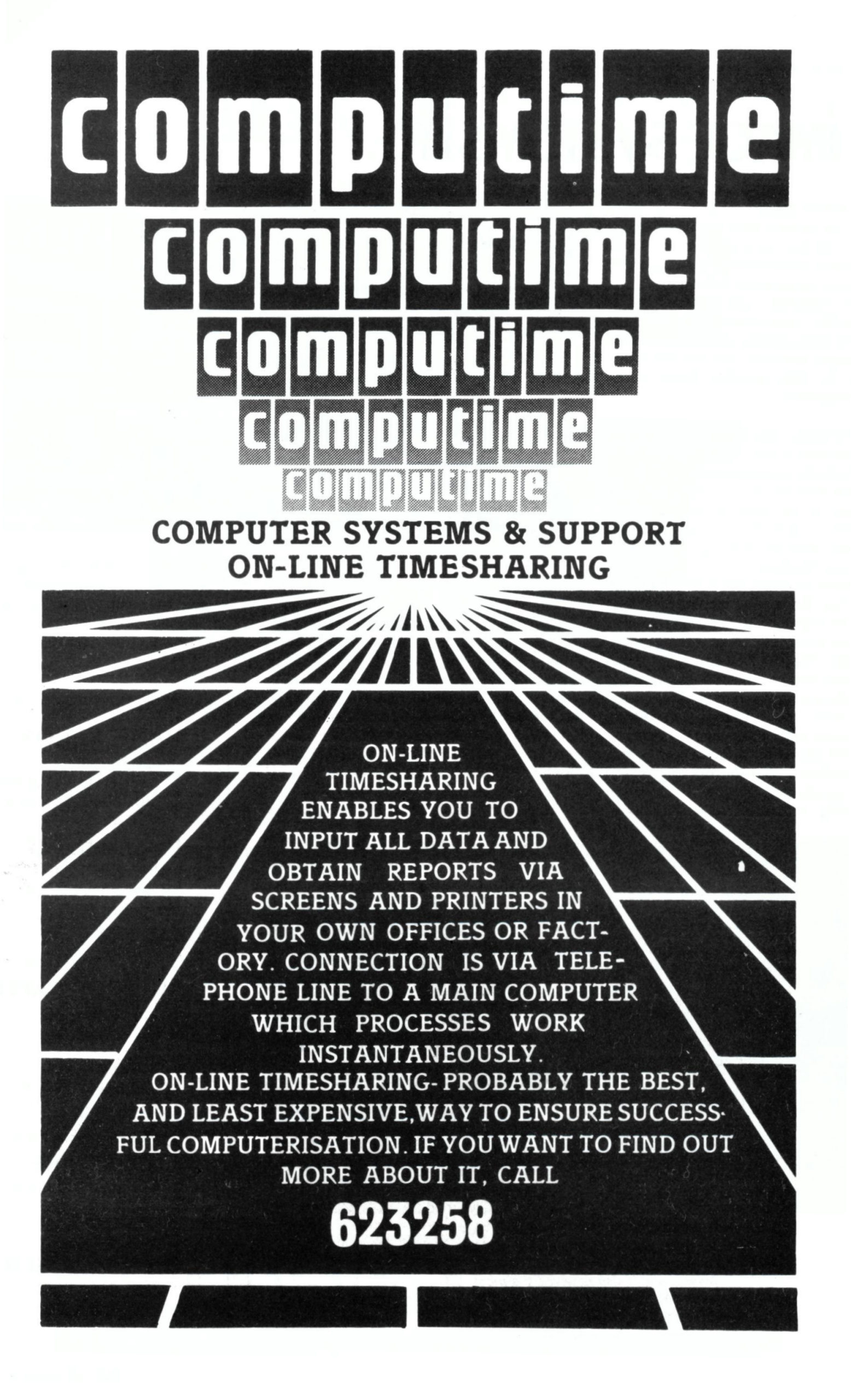
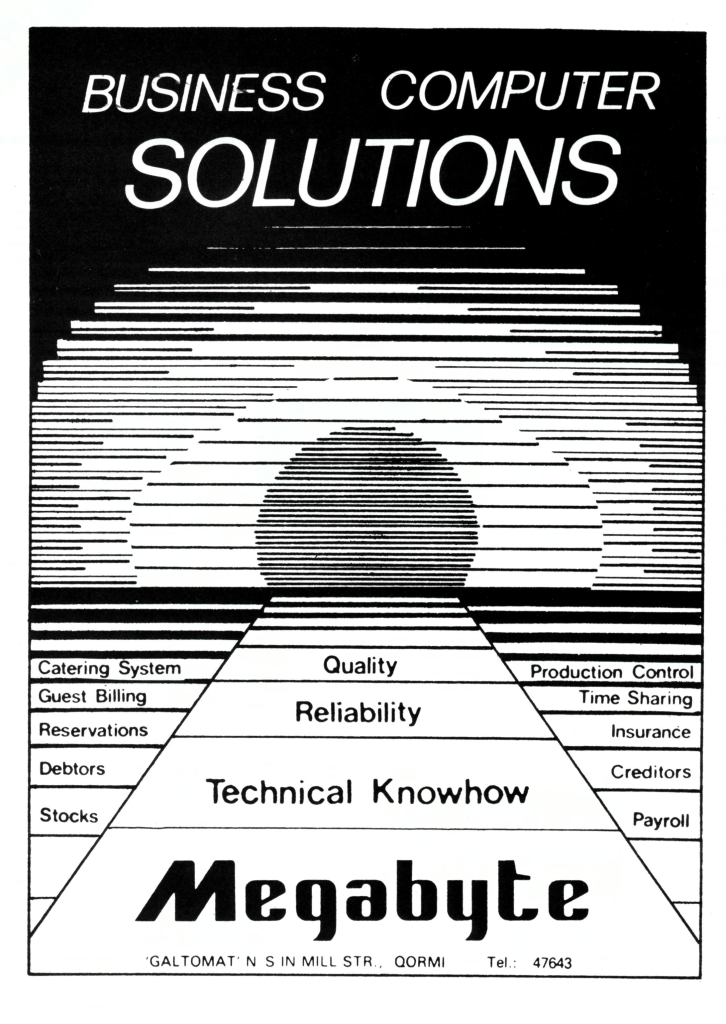
This led to the emergence of on-line timesharing services. Companies like Computime, Megabyte, and Panta Computers Ltd. began selling access to their powerful mainframes and systems. While the brand of hardware was regulated, the services offered were not. This provided a crucial lifeline for many businesses, including banks, hotels, and government entities, by drastically reducing their IT costs. The service included comprehensive support, regular data backups, and user terminals with modems, offering a complete, managed IT solution.
Time-Sharing: The Precursor to the Cloud
The timesharing model provided a significant advantage: peace of mind. Data was securely backed up, systems were regularly updated, and maintenance was handled by IT experts, a service comparable to modern cloud computing. Many companies in Malta, including the government and major hotels, embraced this model. However, the timesharing era came to an end in the early 1990s as the market shifted to more affordable IBM-compatible computers. This move made it economically viable for companies to establish their own in-house IT departments, rendering timesharing services obsolete.
Preserving a Piece of History
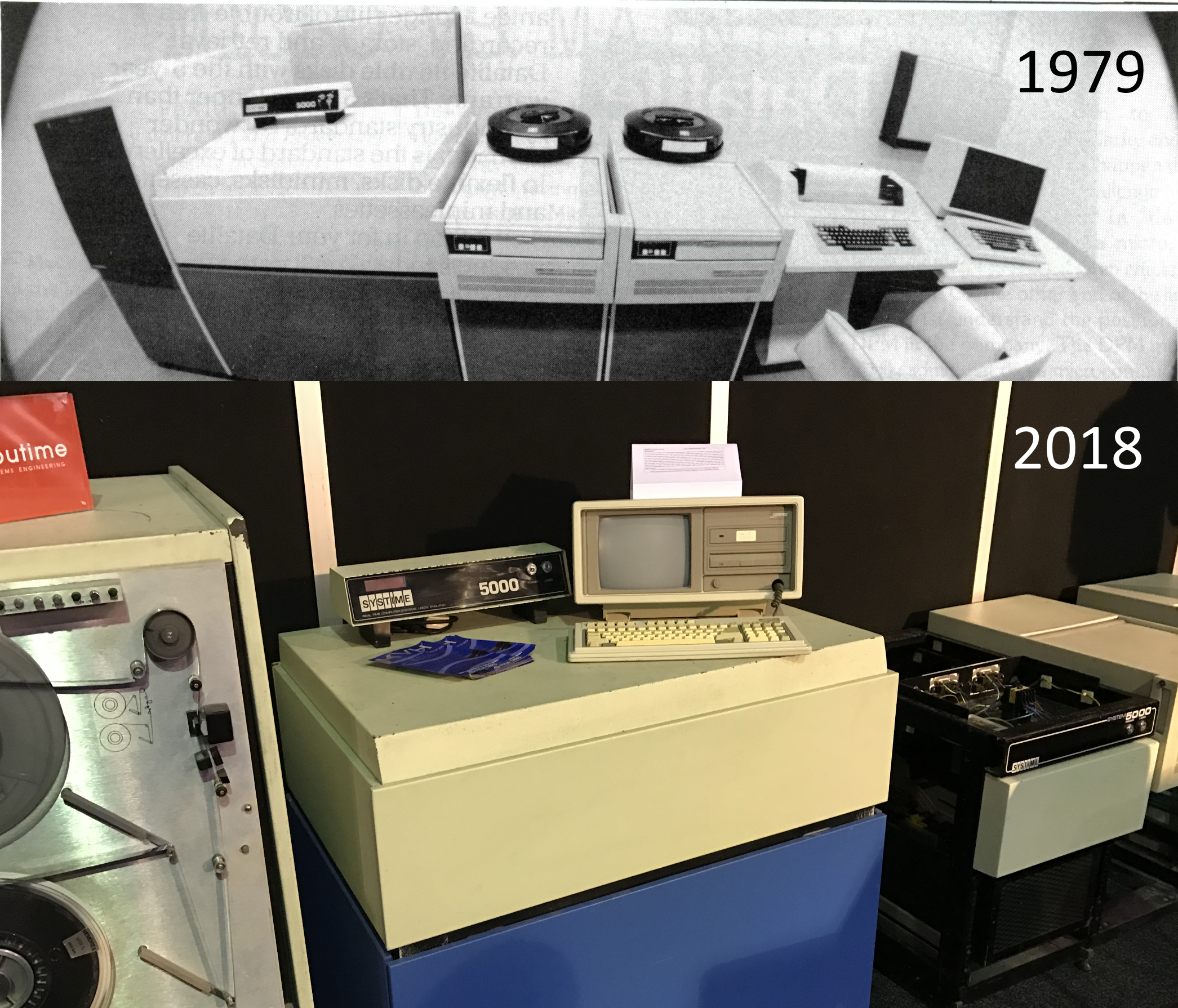
It’s worth noting a significant piece of this history has been preserved. The Computime timesharing mainframe has been generously donated to the club, securing its place as a historical artifact. Unfortunately, other similar mainframes were either destroyed or remain in private collections, making them inaccessible for preservation. The Prime at the University of Malta is a notable exception; while it requires considerable attention, it is believed to be largely intact. The club has offered its services to restore both the Prime and NCR equipment, and plans are being discussed to repair and maintain these systems for public display, ensuring future generations can appreciate this foundational technology.
The 90’s Turnaround
The Transformation of Malta’s IT Market
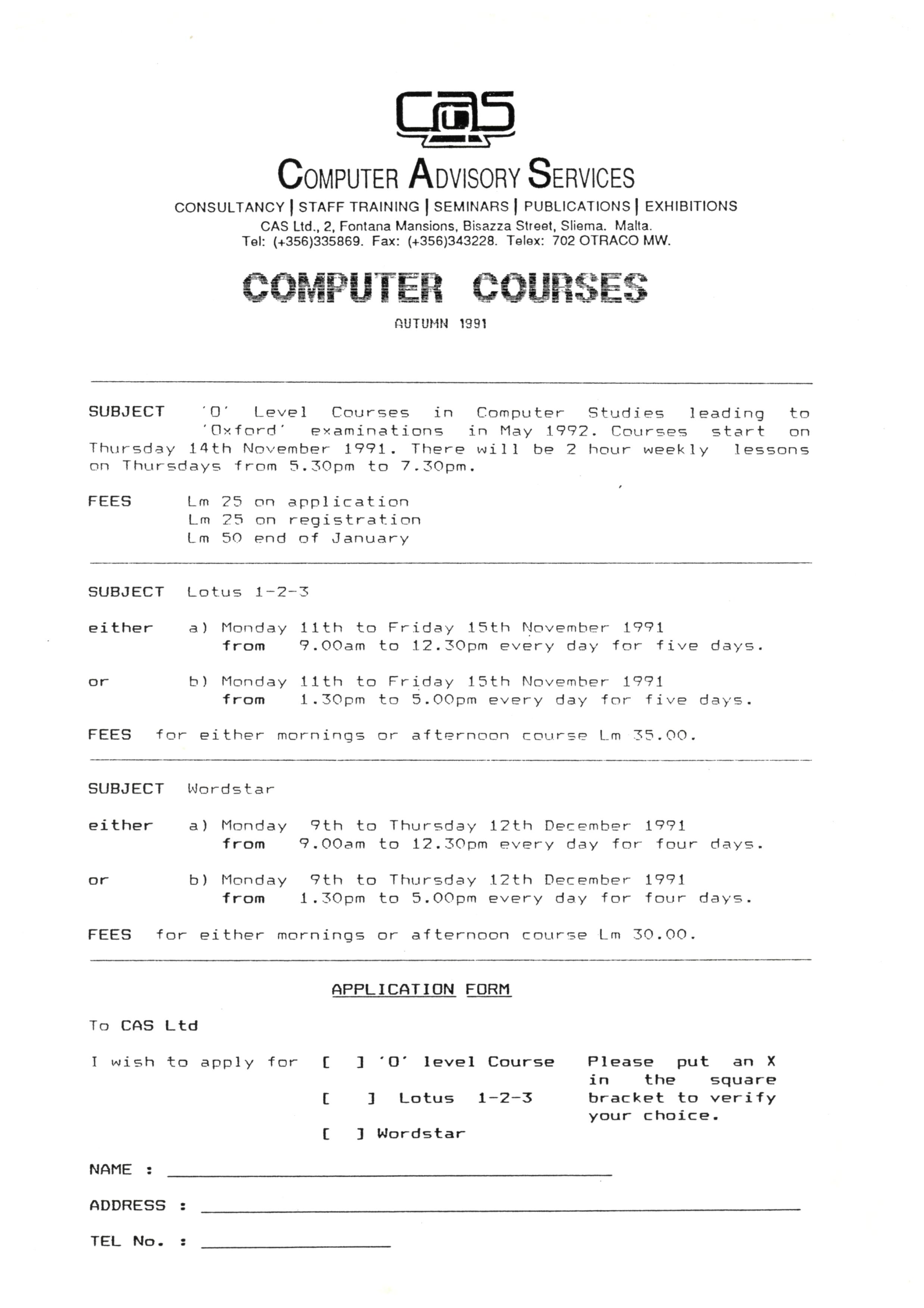
The early 1990s marked a significant shift in Malta’s technological landscape. Schools and other companies began offering a variety of courses in word processing, data storage, and even ‘O’ level computer studies. This educational push attracted more people to the world of computing, fueling the industry’s growth and creating a new generation of IT professionals.
However, this period of growth was also marked by consolidation. Many of the companies that had initially thrived in the 1980s began to close down or pivot away from computer sales to focus on other electronic products or emerging trends. Out of the original list of 22 companies, only 12 survived until the mid-90s, and this number dwindled further to just seven.
This contraction was also a result of market forces far beyond Malta’s shores. Major international brands like Commodore, Sinclair, Amstrad, ICL, and Apricot were dissolved, leaving their Maltese importers with nothing to sell. This forced local companies to adapt or perish. Despite this consolidation, new computer shops continued to open, driven by a growing base of gamers who regularly updated their equipment and purchased the latest consoles.
The End of Sole Agents and the Rise of Competition
A major change that spurred this new growth was the government’s decision to remove the sole agent regulation. This meant that anyone could more easily import computers from any supplier, leading to a huge increase in competition. While the importation paperwork remained a heavy burden until Malta’s accession to the EU, this new open market was a game-changer.
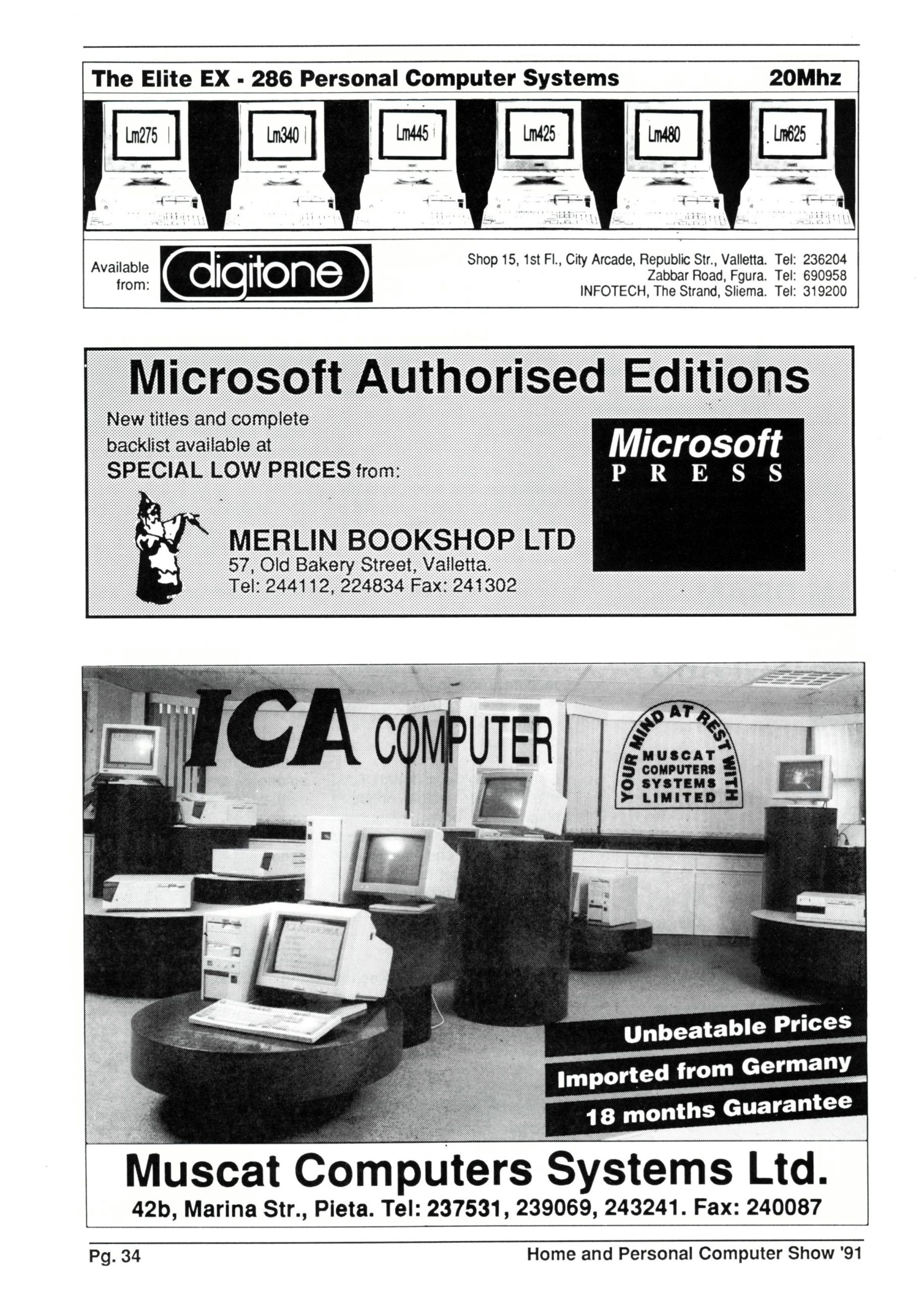
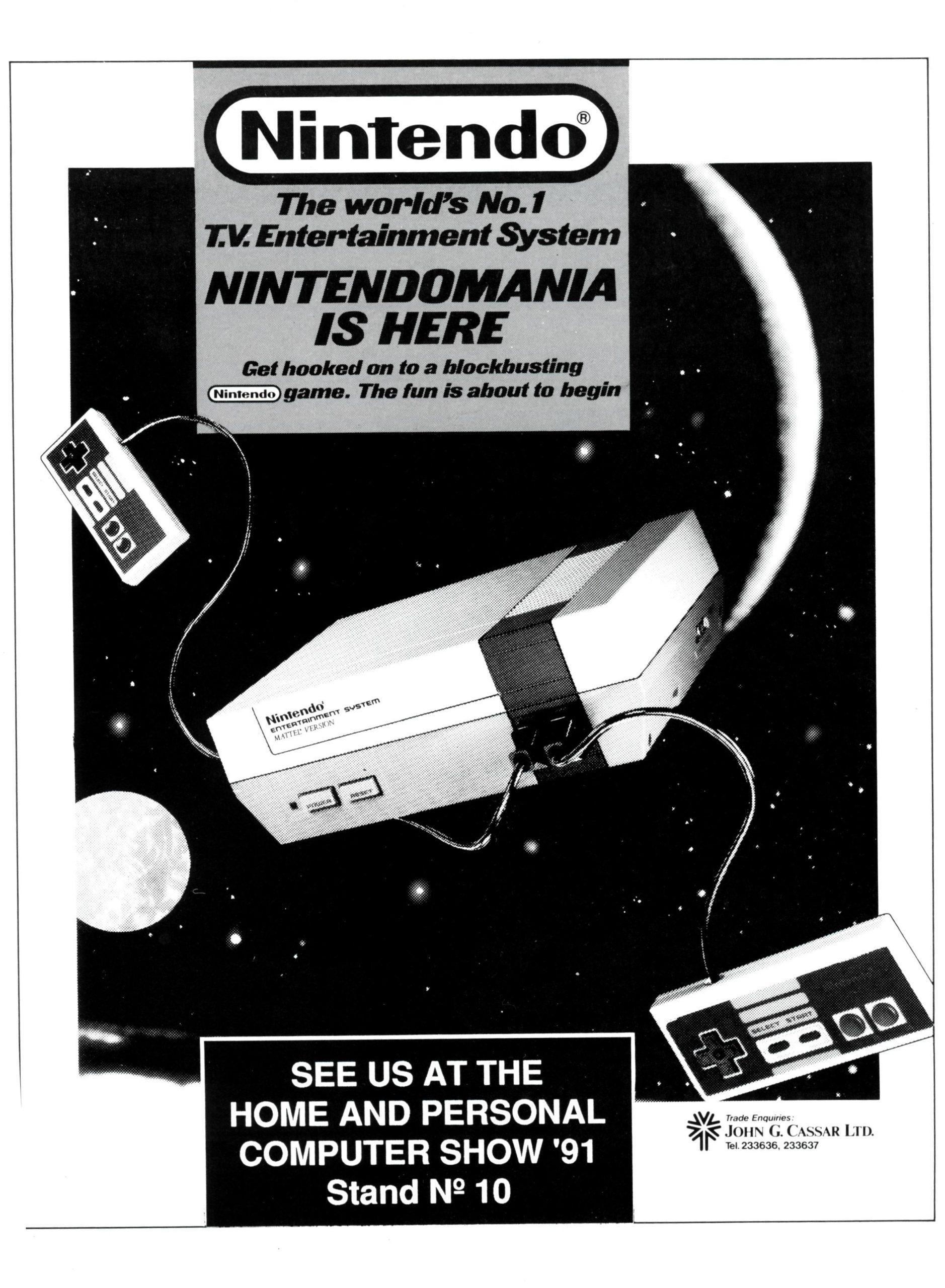
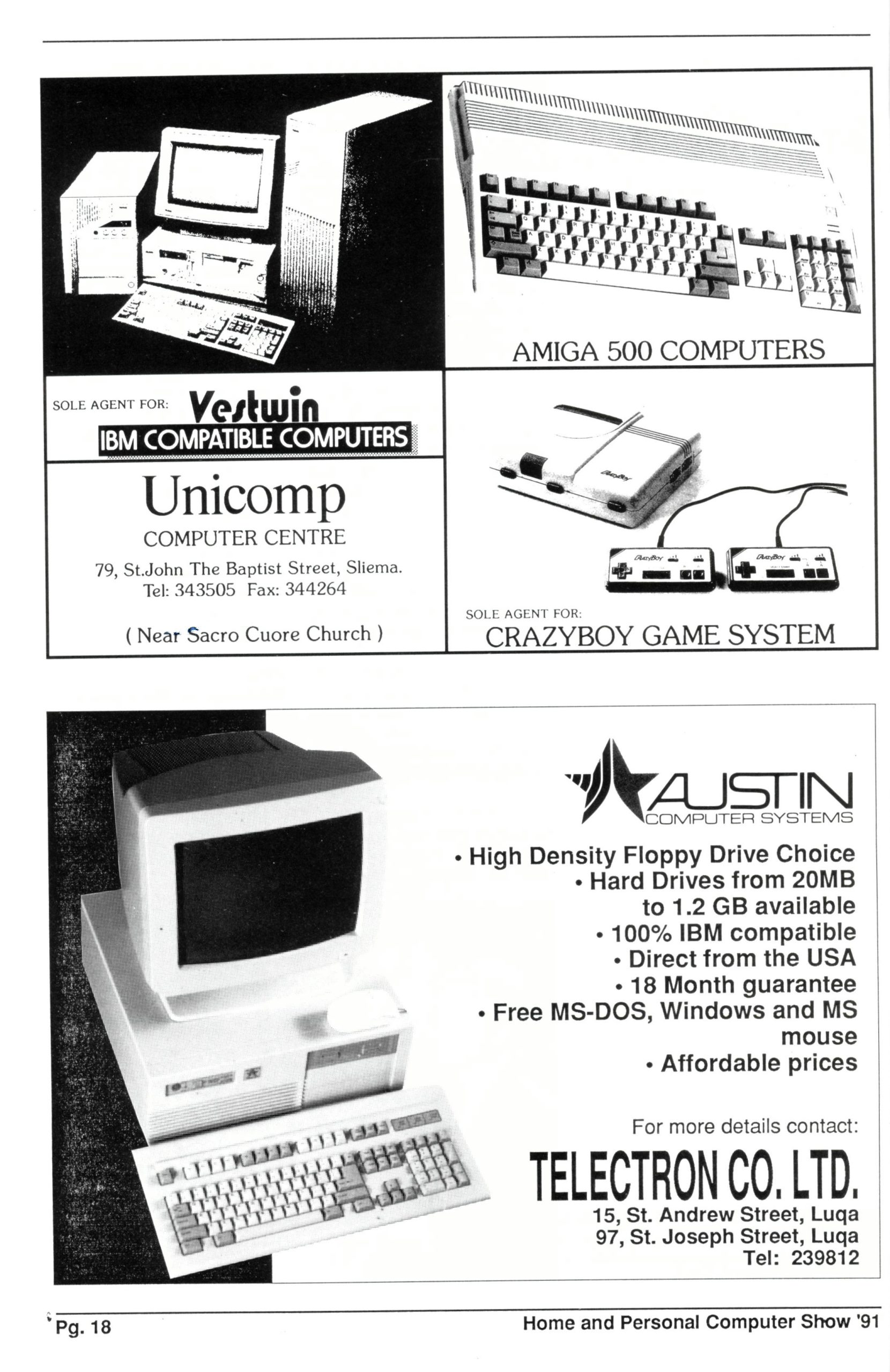
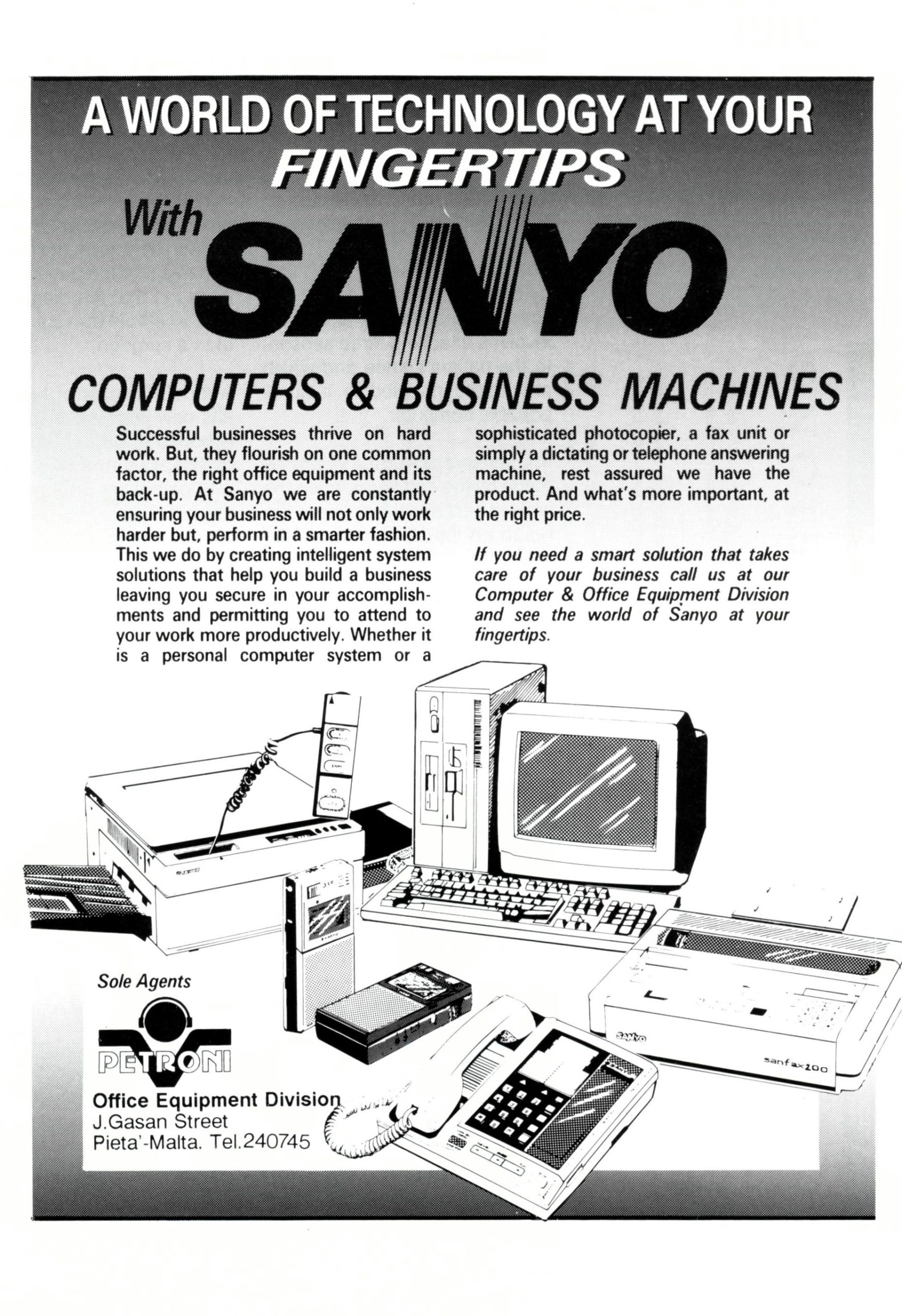
By the mid-1990s, there were over 50 computer shops across the island, all competing for customers by claiming to have the best products. Many of these companies had multiple shops in different locations, making computers more accessible than ever before. Although the cost of a new computer in Malta was still high compared to other countries, prices began to drop drastically in the mid-to-late 90s due to the influx of locally assembled, unbranded, and Chinese-made clones.
Malta’s accession to the European Union in 2004 was a pivotal moment. The removal of import tariffs on goods from EU countries and the availability of EU grants for startups created a new wave of opportunities for local shop owners. The IT industry flourished, with new companies and shops emerging every year.
The Industry Today
Today, Malta’s IT industry is robust and diverse. The rise of local and international gaming companies has significantly contributed to its growth, complementing the opportunities available on the island. The focus has shifted from pure hardware knowledge, as the days of repairing every component are gone. The modern industry is geared towards efficiency and rapid replacement; a computer that is more than two years old is often replaced rather than repaired, a practice common in the global IT sector.
Comments are closed